


Specific information
Image gallery
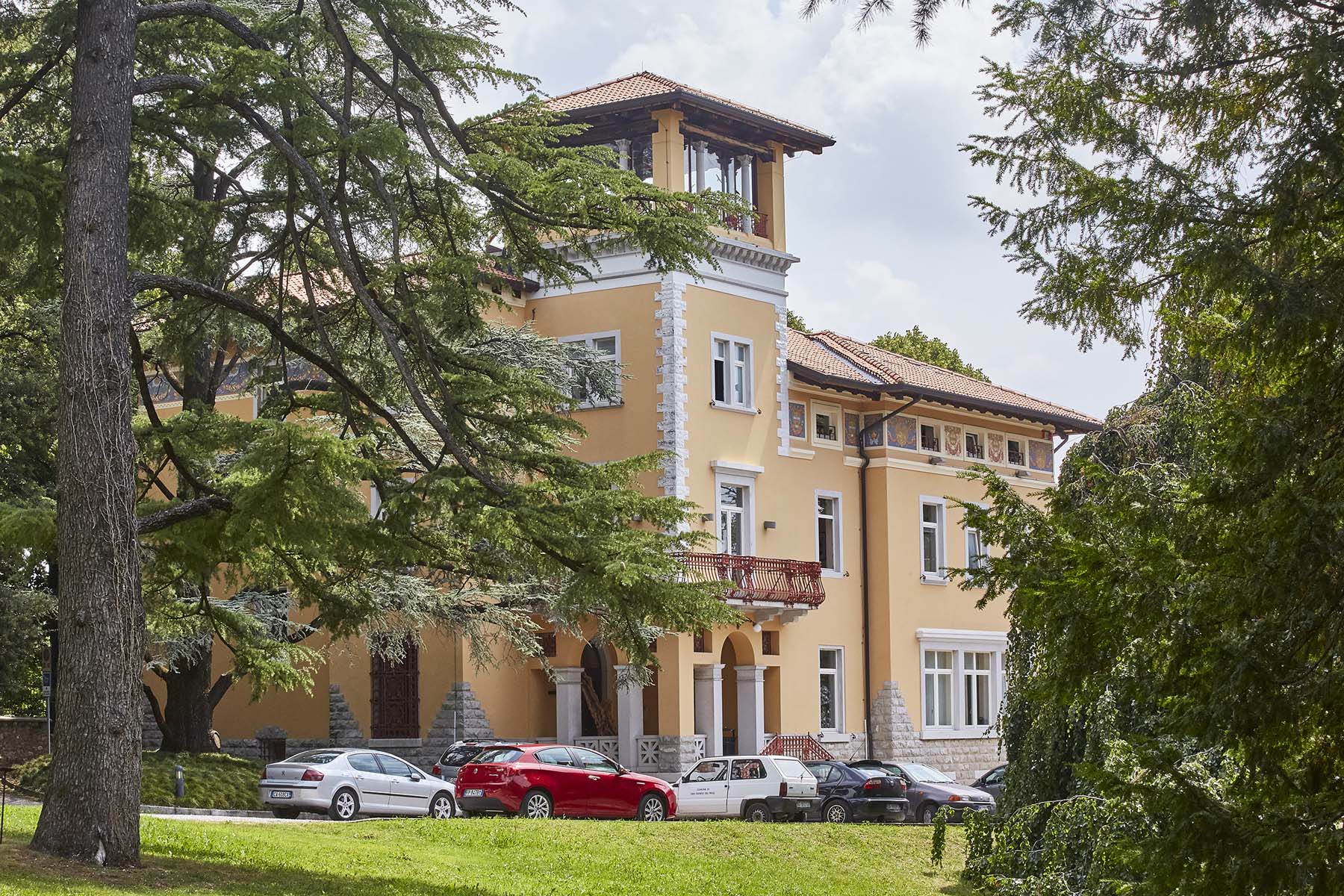
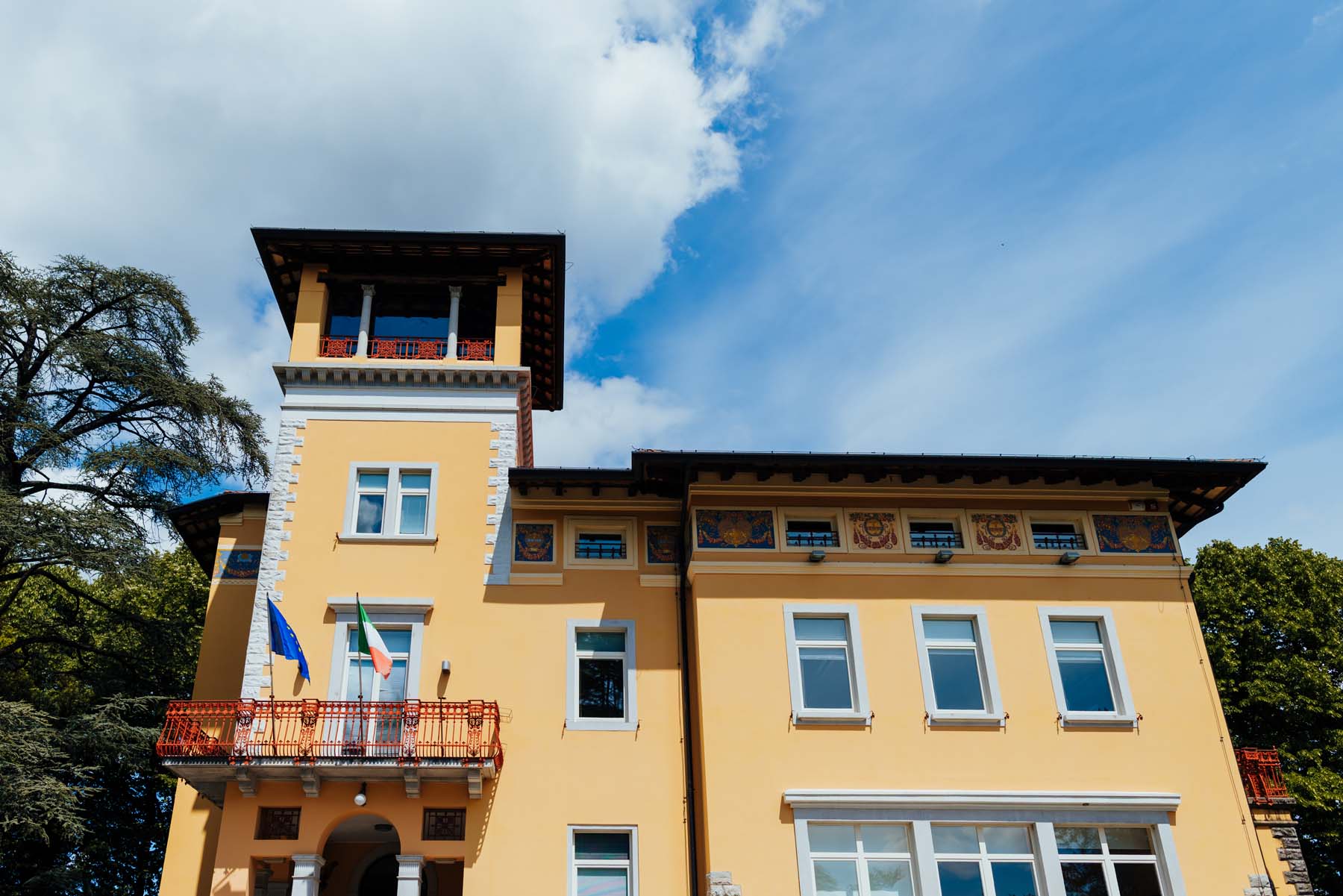
The Villa Serravallo complex stands on the northeast slope of Magnolino Hill in an area that, at the beginning of the 19th century, as attested by the Napoleonic land registry, was completely devoid of buildings.
Its origins are linked to the transfer of land from the Ongaro family to the De Concina family, nobles of the castle, related to Dr. Vittorio Serravallo, a pharmacist from Trieste. While for the De Concinas, the purchase reflected a sense of patrimonial continuity, for Serravallo, the intention was to create a hilltop residence immersed in nature, where he could cultivate his passions in science and nature. An Austro-Hungarian citizen, Serravallo owned the most renowned apothecary in Trieste and a celebrated distillery in Servola, where the famous ferruginous wine, prized for its therapeutic properties and sold as far away as the Far East, was produced.
Construction began in 1906 and was completed in 1912. The project included three buildings nestled within a large park, conceived as a refined botanical garden. The garden was home to rare tree species and state-of-the-art greenhouses, including those for growing exotic plants.
The complex included the main villa, named Villa Giulia in honor of the owner’s wife, the servants’ quarters near the main entrance, and the leaching rooms, located in the lower part of the property near a natural spring used since ancient times, as evidenced by the discovery of Roman amphorae.
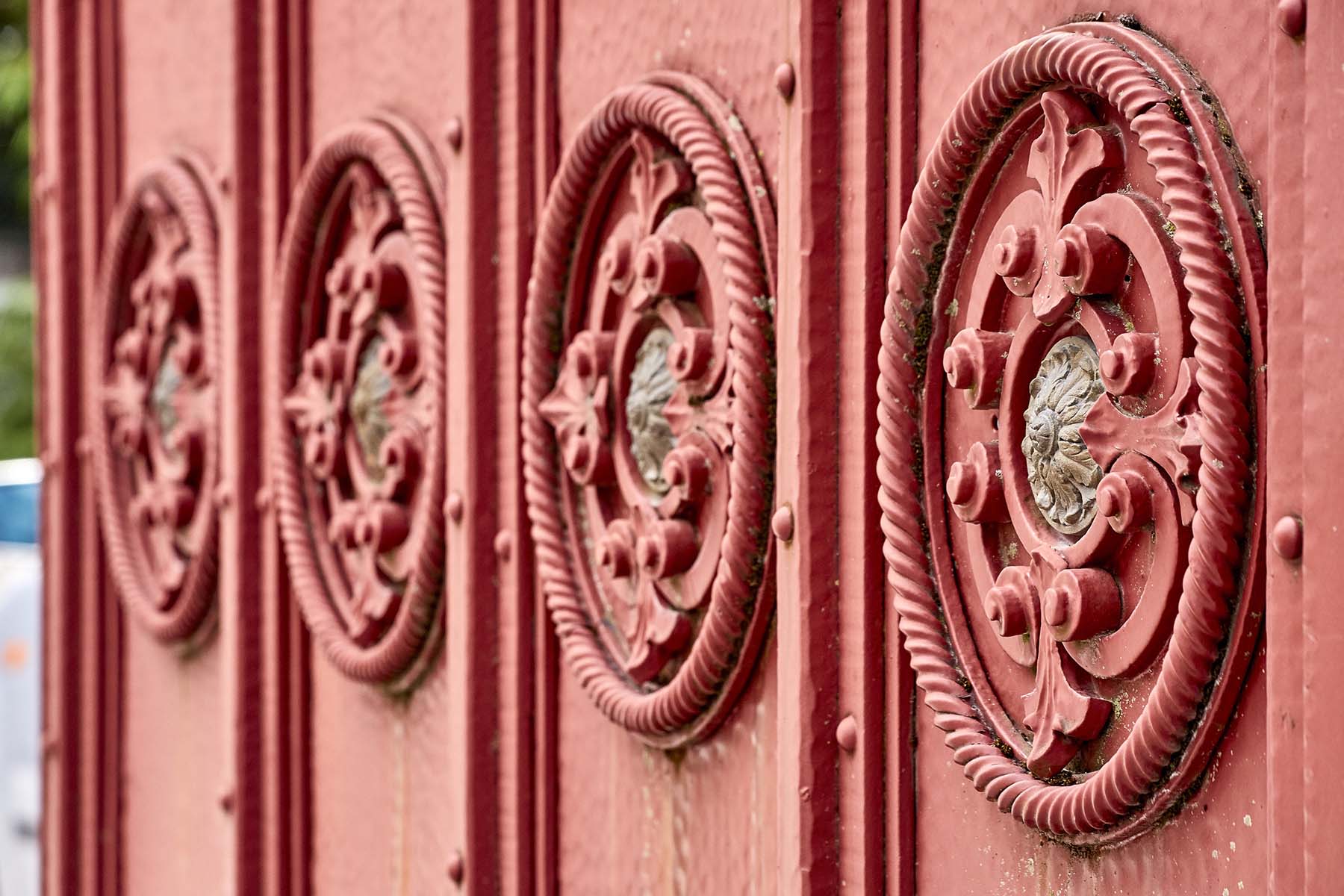
The villa features elegant features typical of early 20th-century noble residences, with references to the Art Nouveau style. The façade is embellished with a harmonious neoclassical pronaos that harmoniously interacts with the building’s various structures.
After the Serravallo family’s permanent move from Trieste, the villa became a lively meeting place for scientists and cultural figures. During the twentieth century, it was involved in important historical events: during the First World War, it hosted Austro-Hungarian officers; in the Second World War, it was requisitioned by a German SS command and subsequently by the Allies.
In 1962, the entire complex was leased to the Italian Army, becoming the headquarters of the “Carnia e Cadore” Alpine Troops. This presence contributed to the preservation of the villa and park until 1975, the year the unit was closed. A period of abandonment and decay followed, aggravated by the earthquake of 1976.
Today, the evocative Villa Giulia Serravallo complex is the town hall and represents an important historical and architectural heritage, witness to over a century of local history.