


Specific information
Image gallery
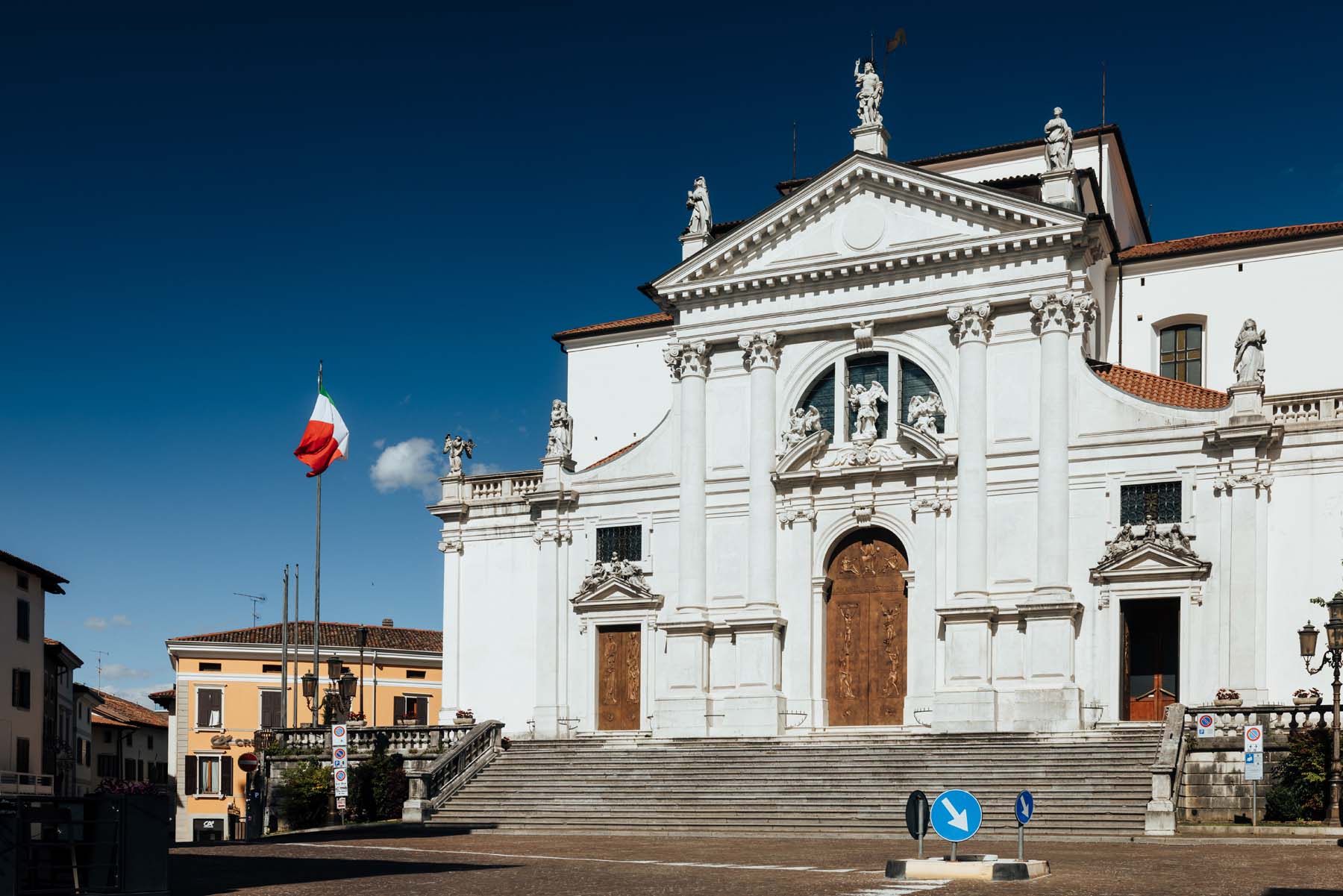
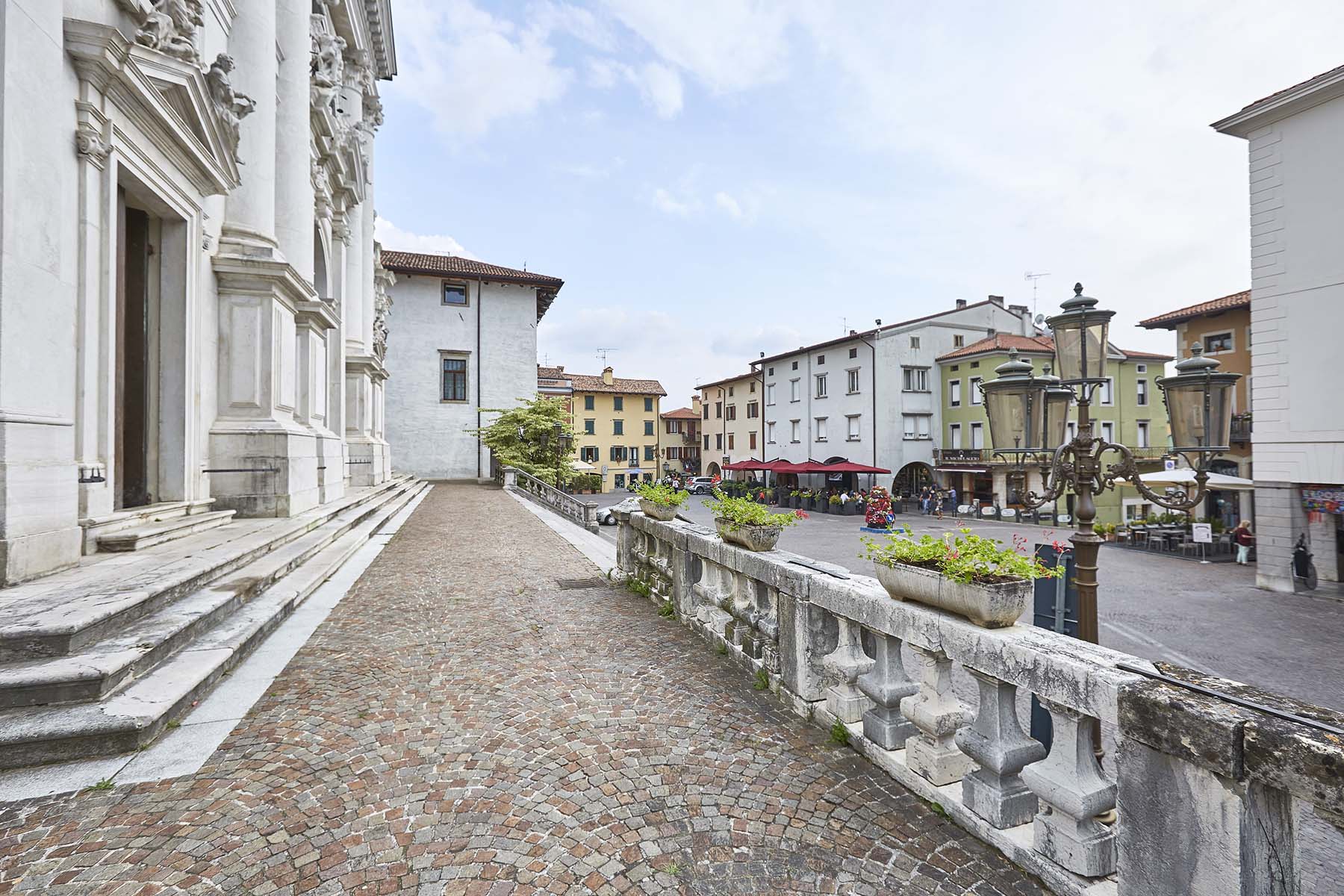
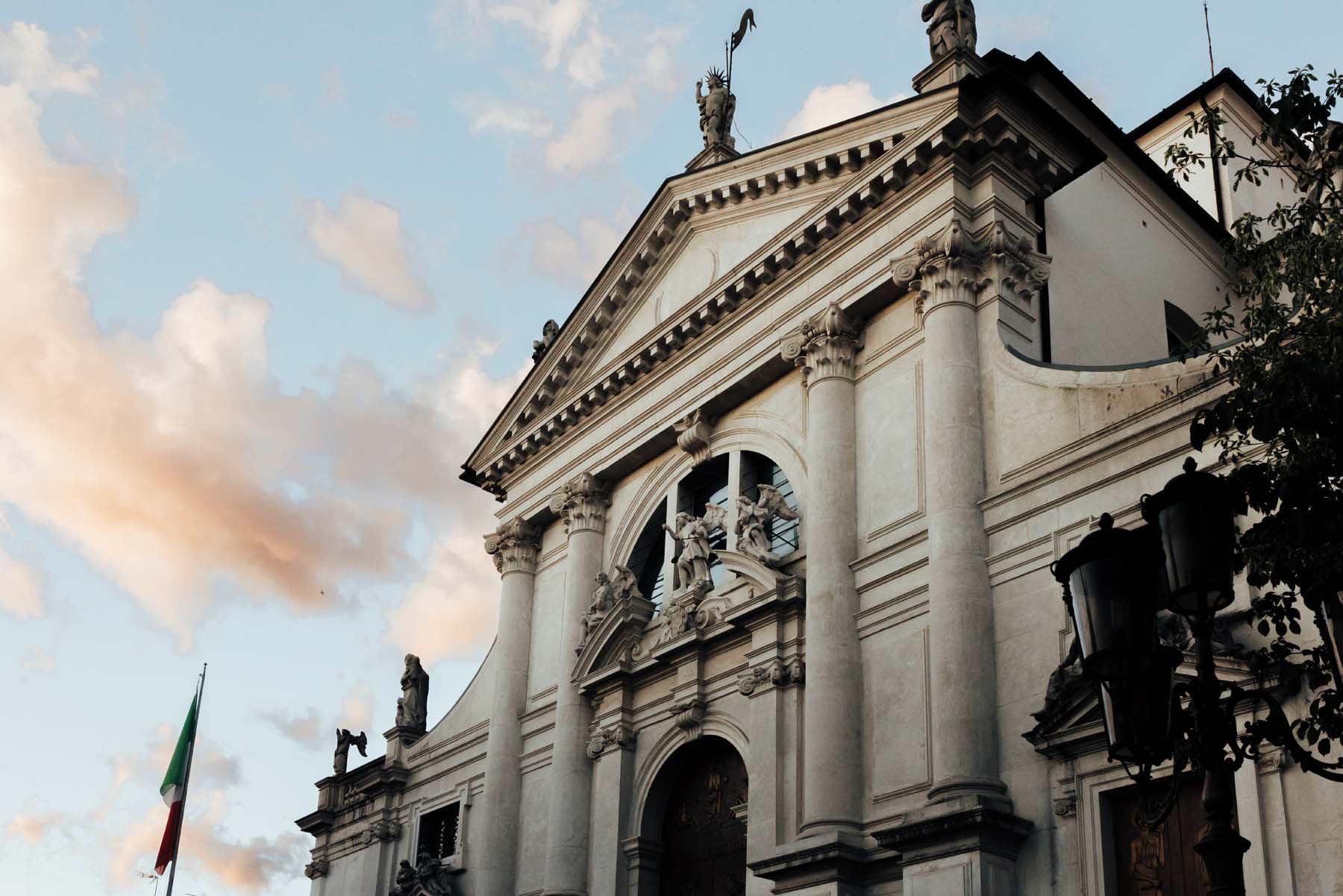
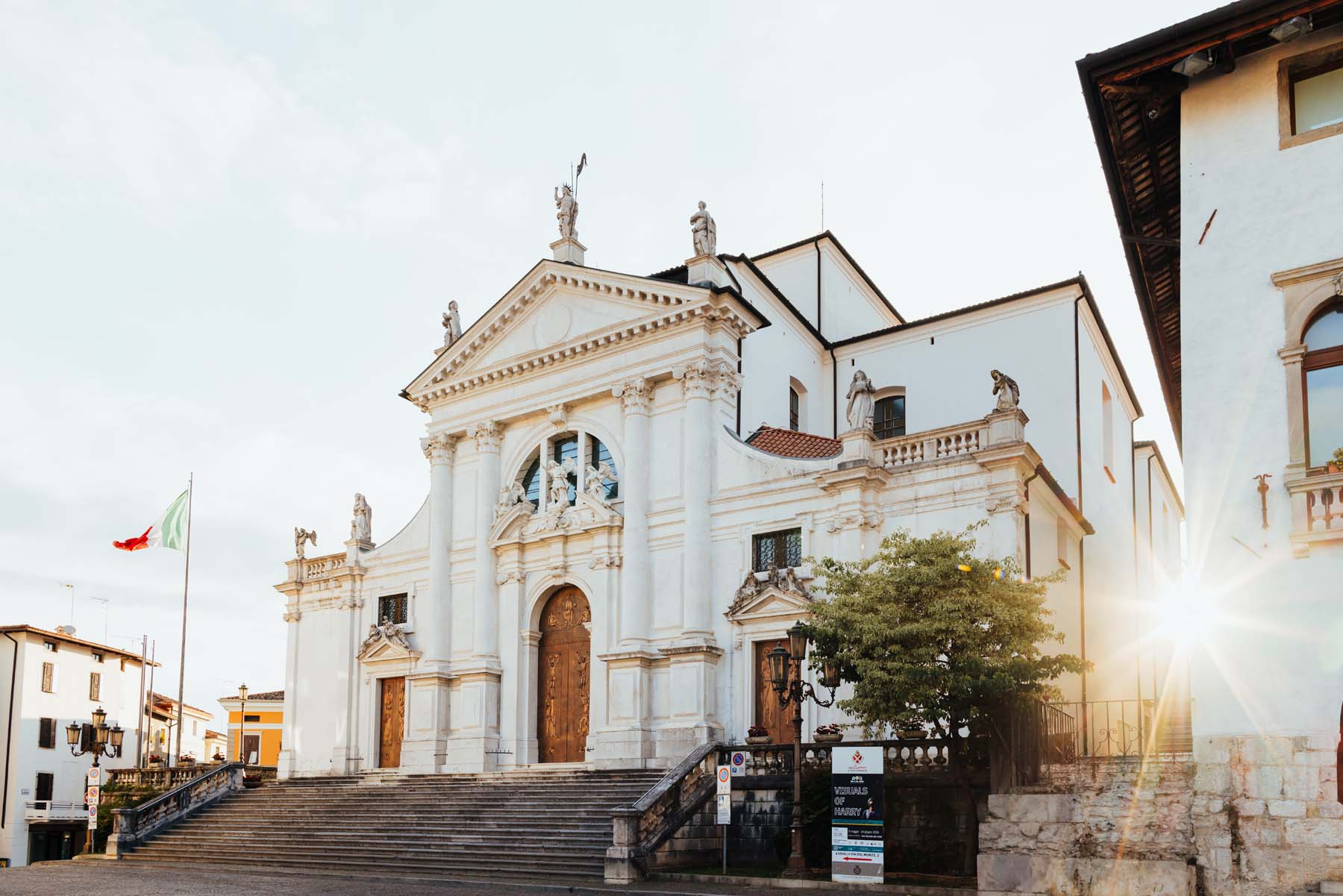
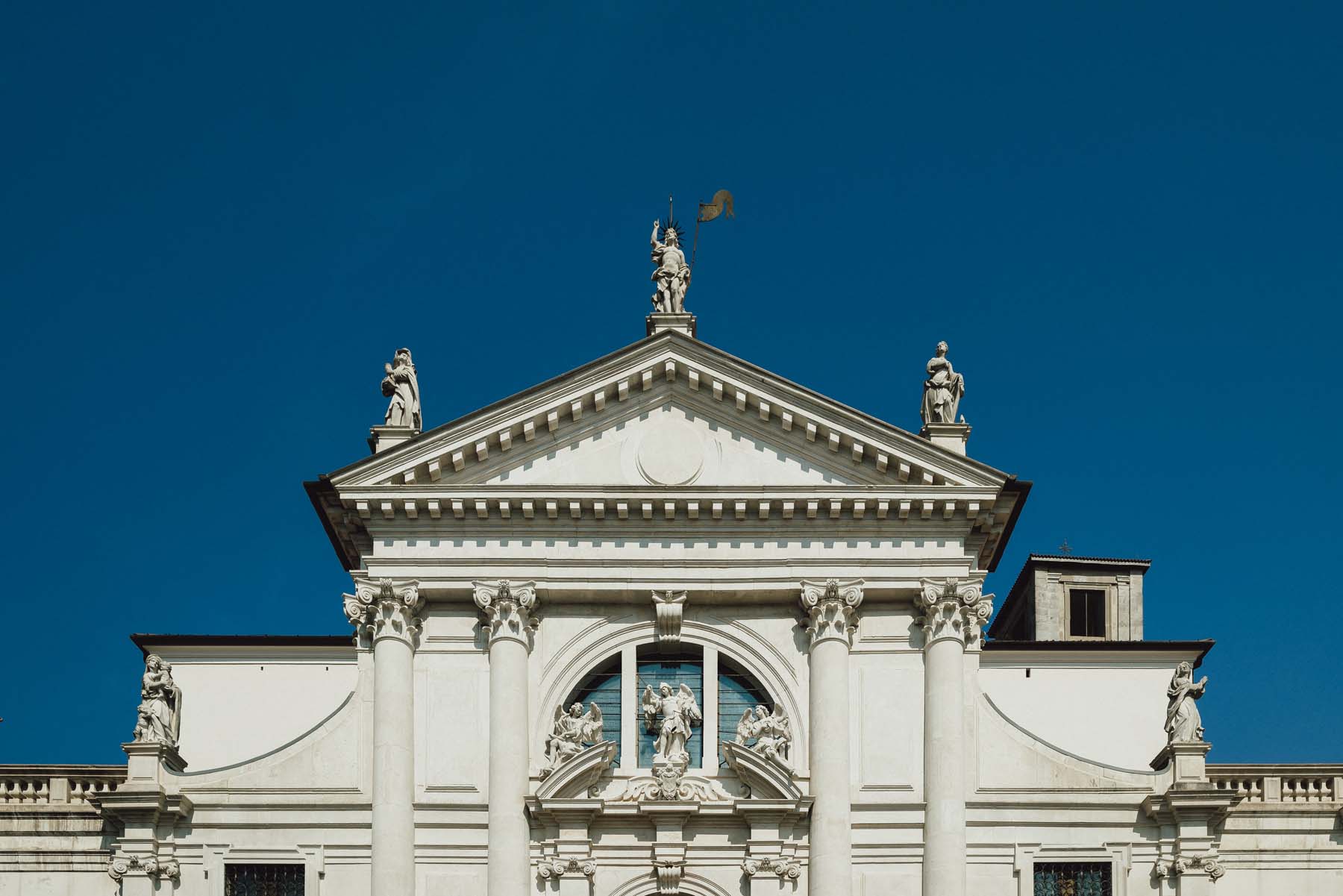
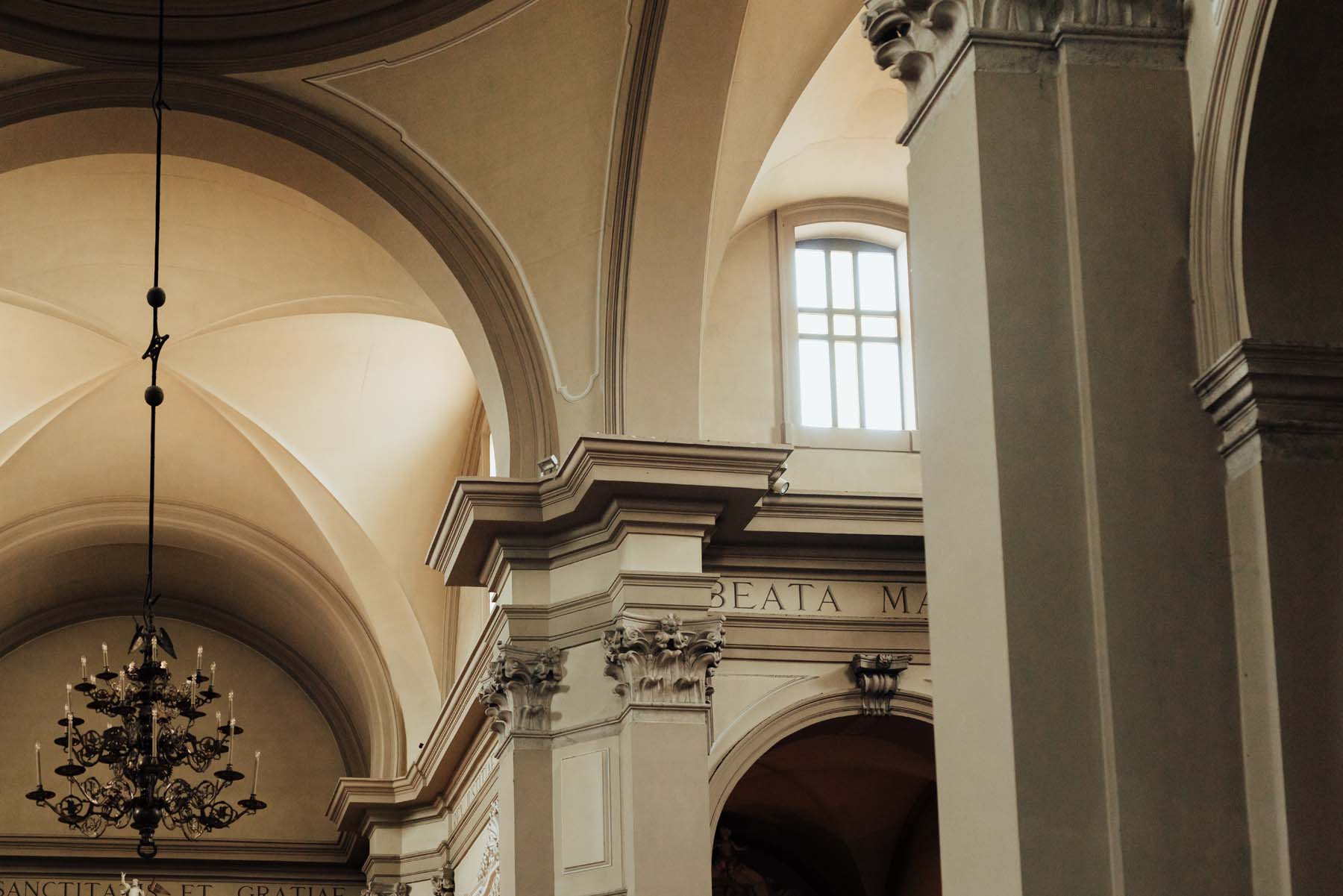
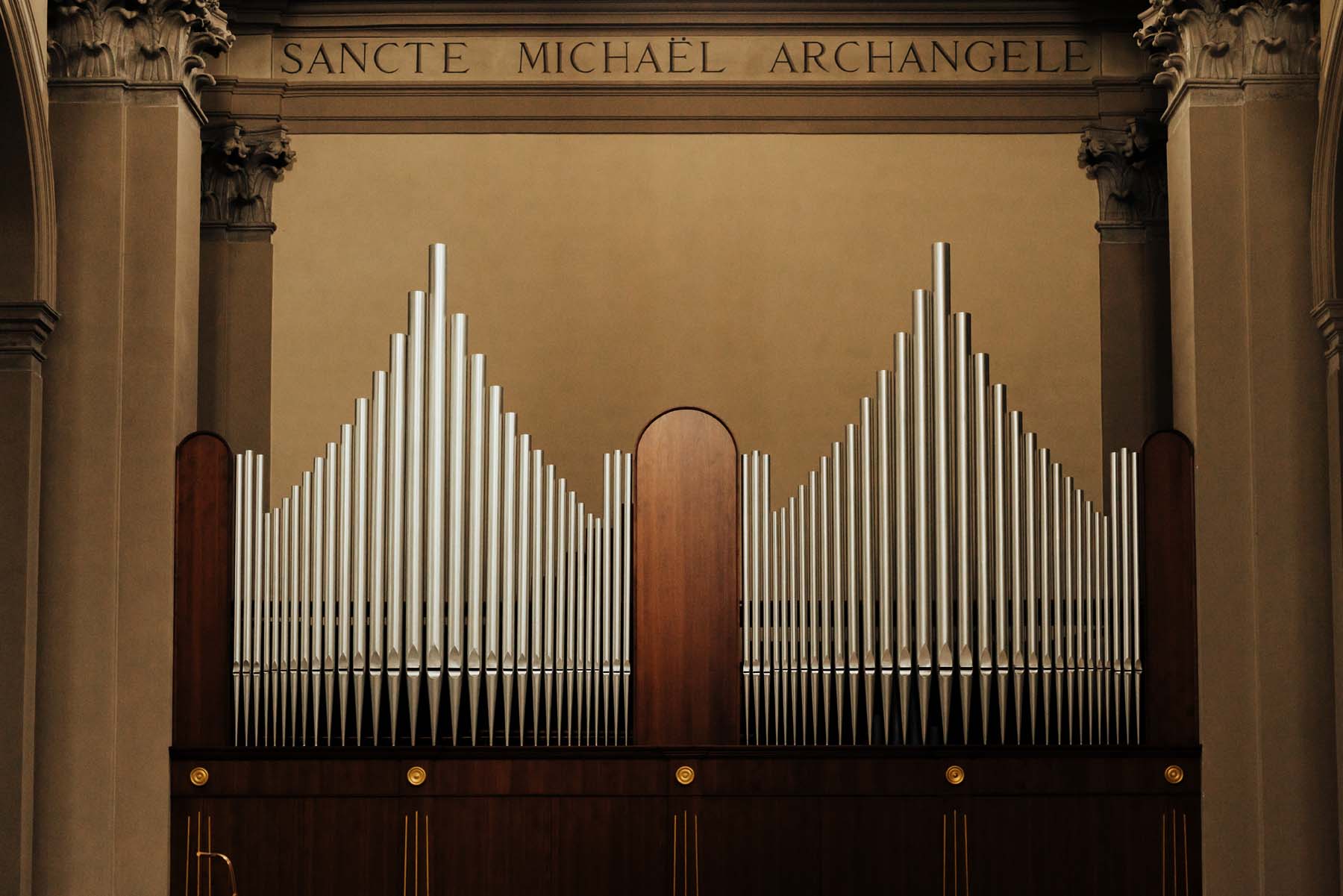
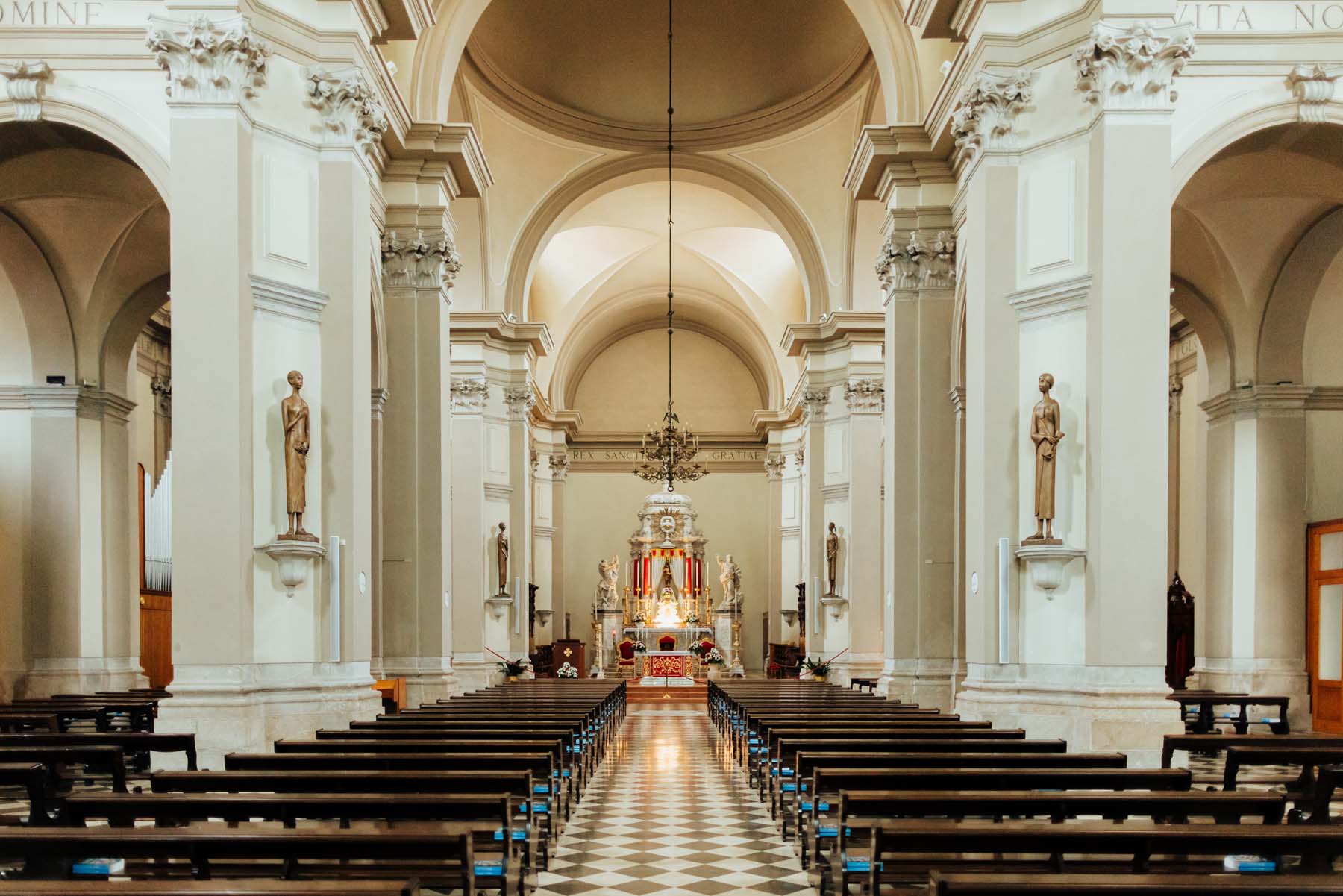
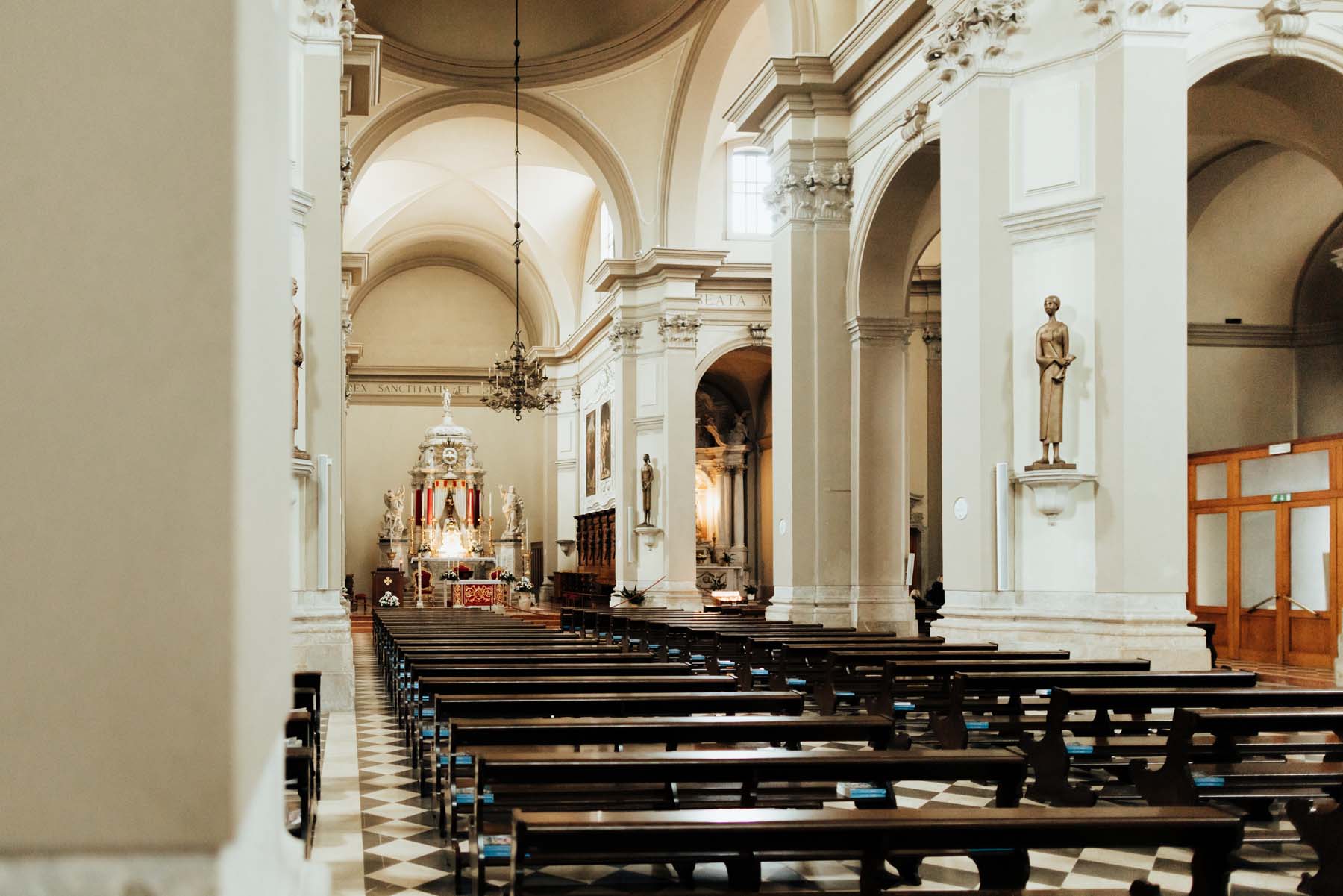
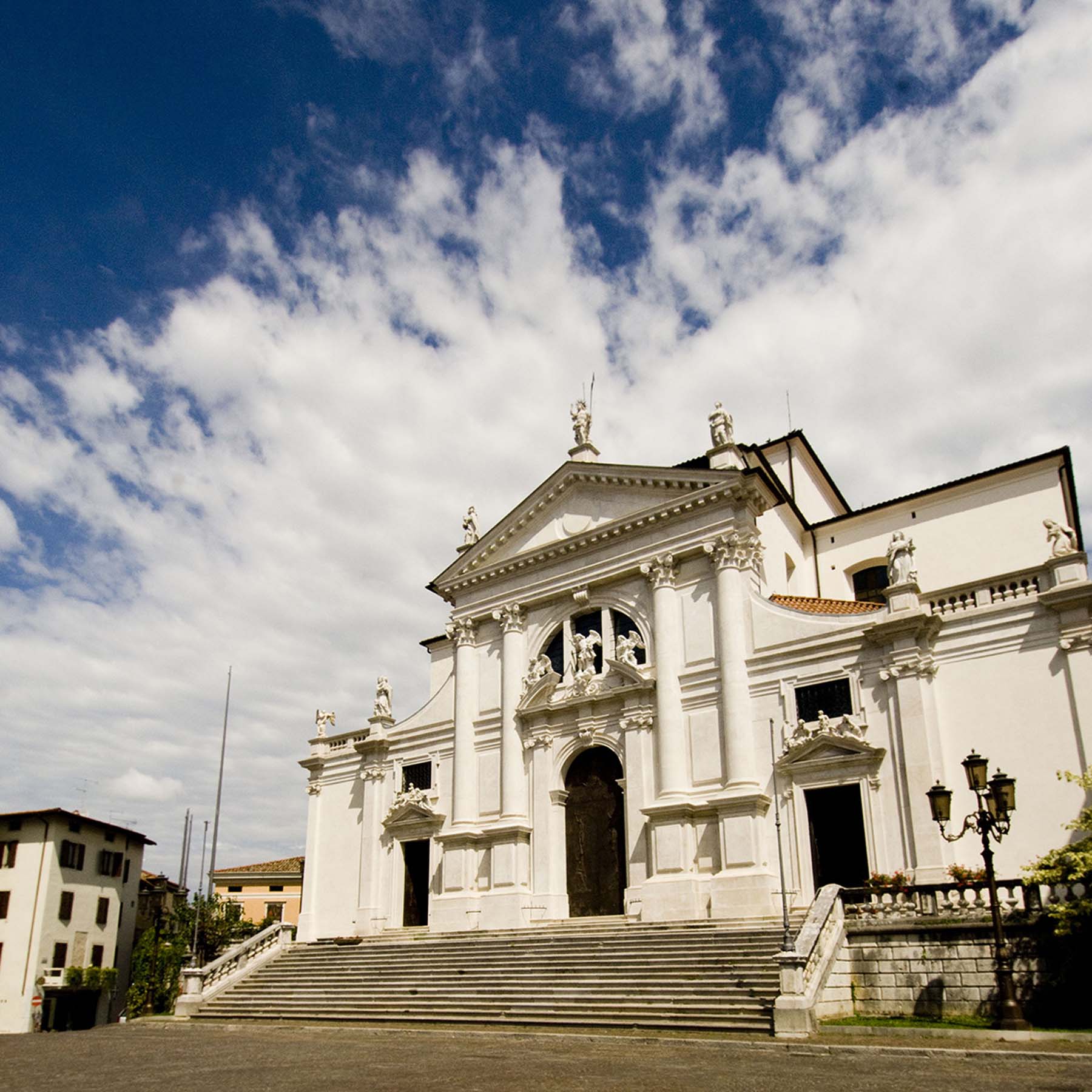
The Duomo dominates the center of the square with its luminous white façade. The current building is the result of a long history of reconstructions and expansions, culminating in the 18th century.
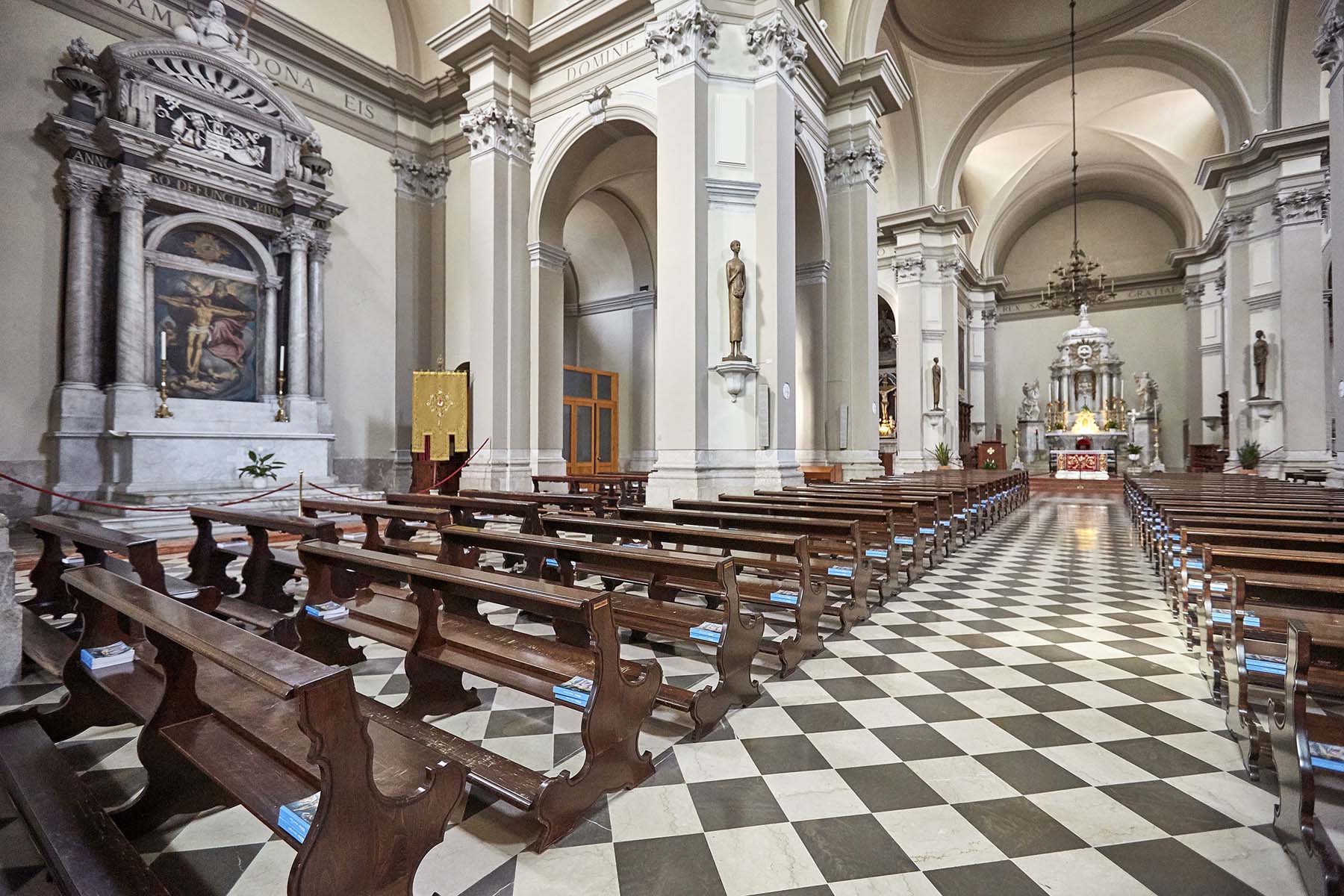
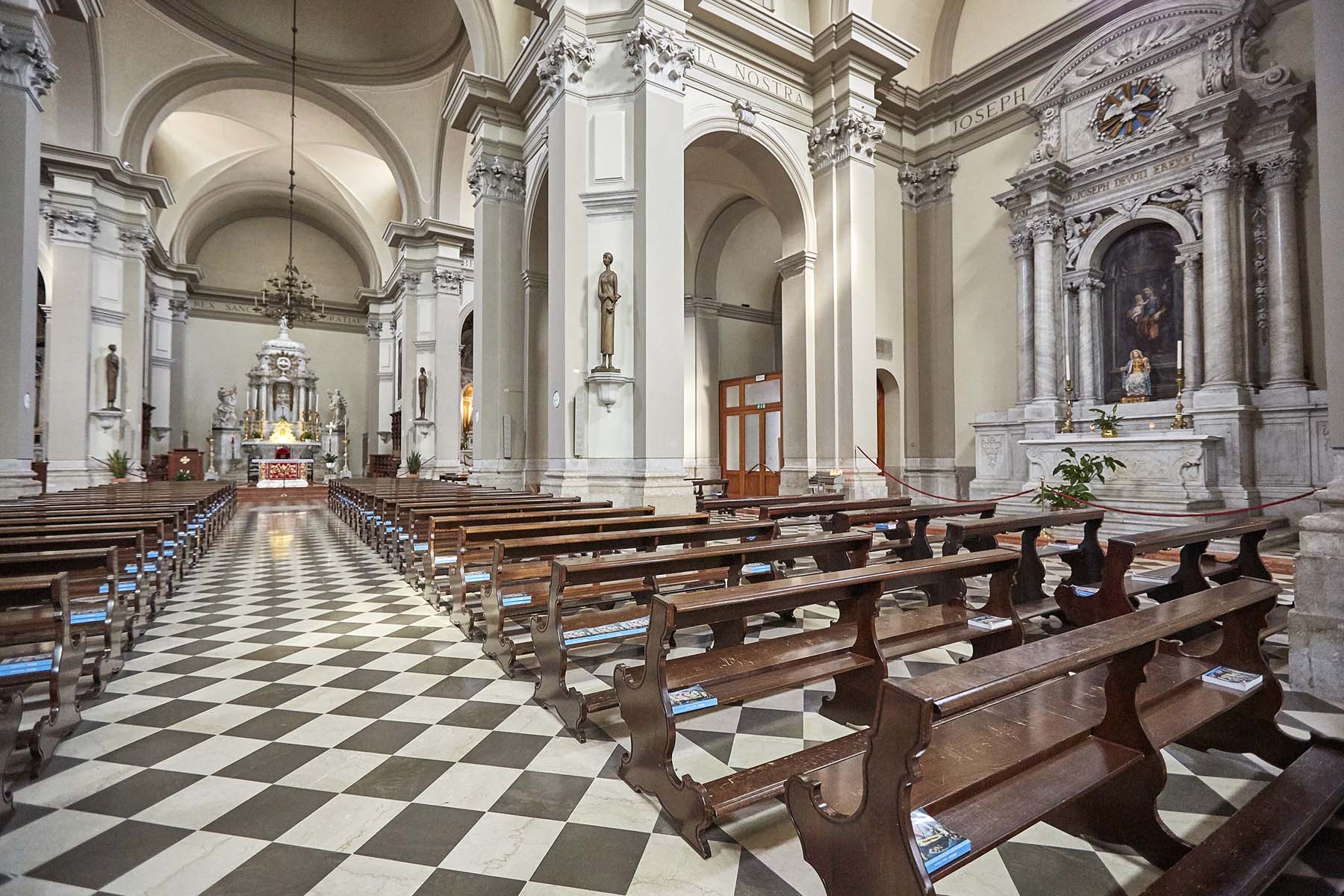
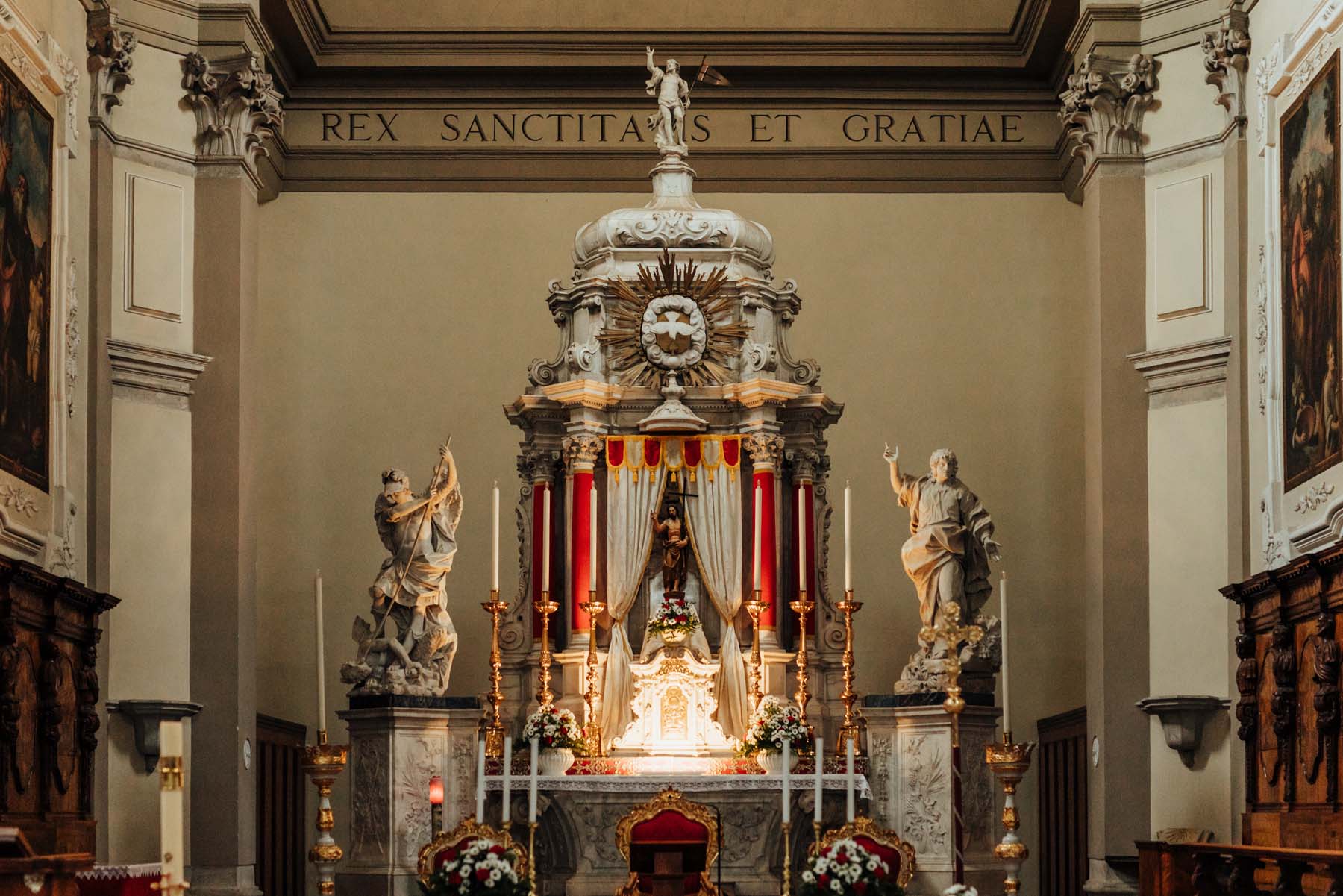
Inside, the Duomo houses important sculptural works, including the imposing Baroque high altar created by Francesco Fosconi in 1735, flanked by the statues of St. Michael the Archangel armed with a lance and St. Daniel the Prophet, depicted pointing to the heavens. Particularly significant is the baptismal font, surmounted by the white stone statue of St. John the Baptist, the work of Carlo da Carona, a pupil of Pilacorte and active in Northern Italy around 1500.
The precious original paintings that once decorated the church, including the Pordenone altarpiece and sketches by Giambattista Tiepolo, have been secured over time and replaced with copies. In 1849, stonecutters Pietro and Leonardo Fantoni were commissioned to redo the floor of the central nave in black and white marble.
In 1982, sculptor Nino Gortan created the bronze portal depicting the death and resurrection of Christ, while the side doors display images of the four evangelists, adding a contemporary touch to the Baroque ensemble.
The historical evolution
Around the year 1000, an initial cathedral and bell tower existed, built more or less on the current site. In 1348, a violent earthquake severely damaged the church, which was subsequently rebuilt in Romanesque style and consecrated in 1372. On the occasion of the solemn consecration, officiated by three bishops, important relics were placed in the high altar, including a fragment of the Cross of the Martyrdom of Saint Andrew, a symbol later incorporated into the city’s coat of arms, along with relics of saints particularly venerated in the Lombard world. At the beginning of the 15th century, the cathedral underwent a new phase of growth: in 1400, the baptismal font was transferred from the church of San Daniele Profeta, and the following year, expansion work began, which was completed in 1433.
The monumental appearance that characterizes the cathedral today took shape in the 18th century. Between 1703 and 1709, Venetian architect Domenico Rossi designed and built the façade, while in 1712, renowned marble worker Francesco Fosconi executed the dramatic staircase and balustrades. Between 1724 and 1729, architect Luca Andrioli worked on the presbytery, constructing the new choir, sacristies, side chapels, and transept. The renovations, begun in 1725, were completed in 1788, giving the cathedral its current Baroque appearance. Domenico Rossi was also responsible for the original double dome solution, which makes the building immediately recognizable in the urban skyline. In 1852, the surrounding area was further modified with the widening and straightening of the embankment toward Via Garibaldi, an operation that resulted in the closure of the old Via San Tomaso.