


Specific information
Image gallery
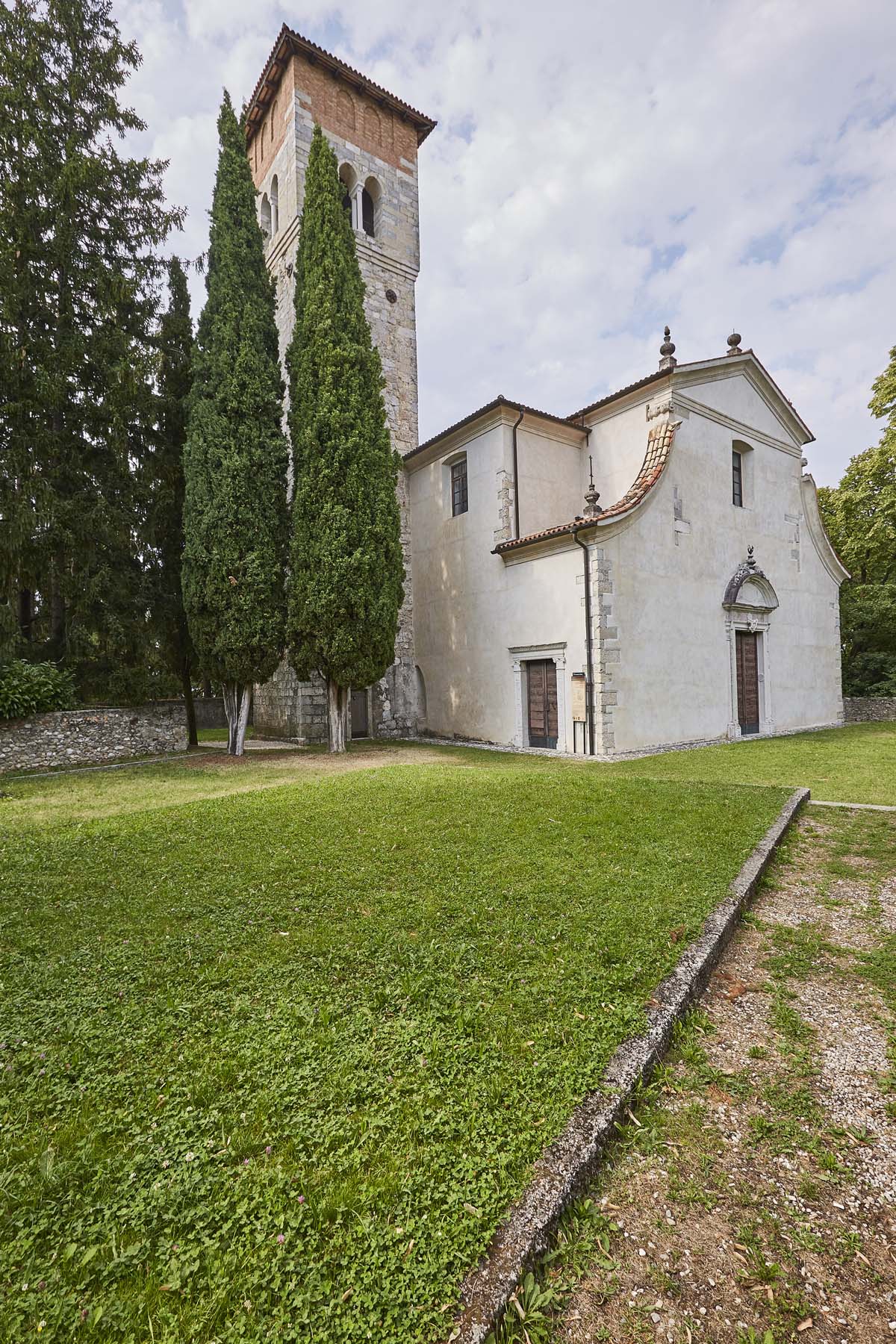
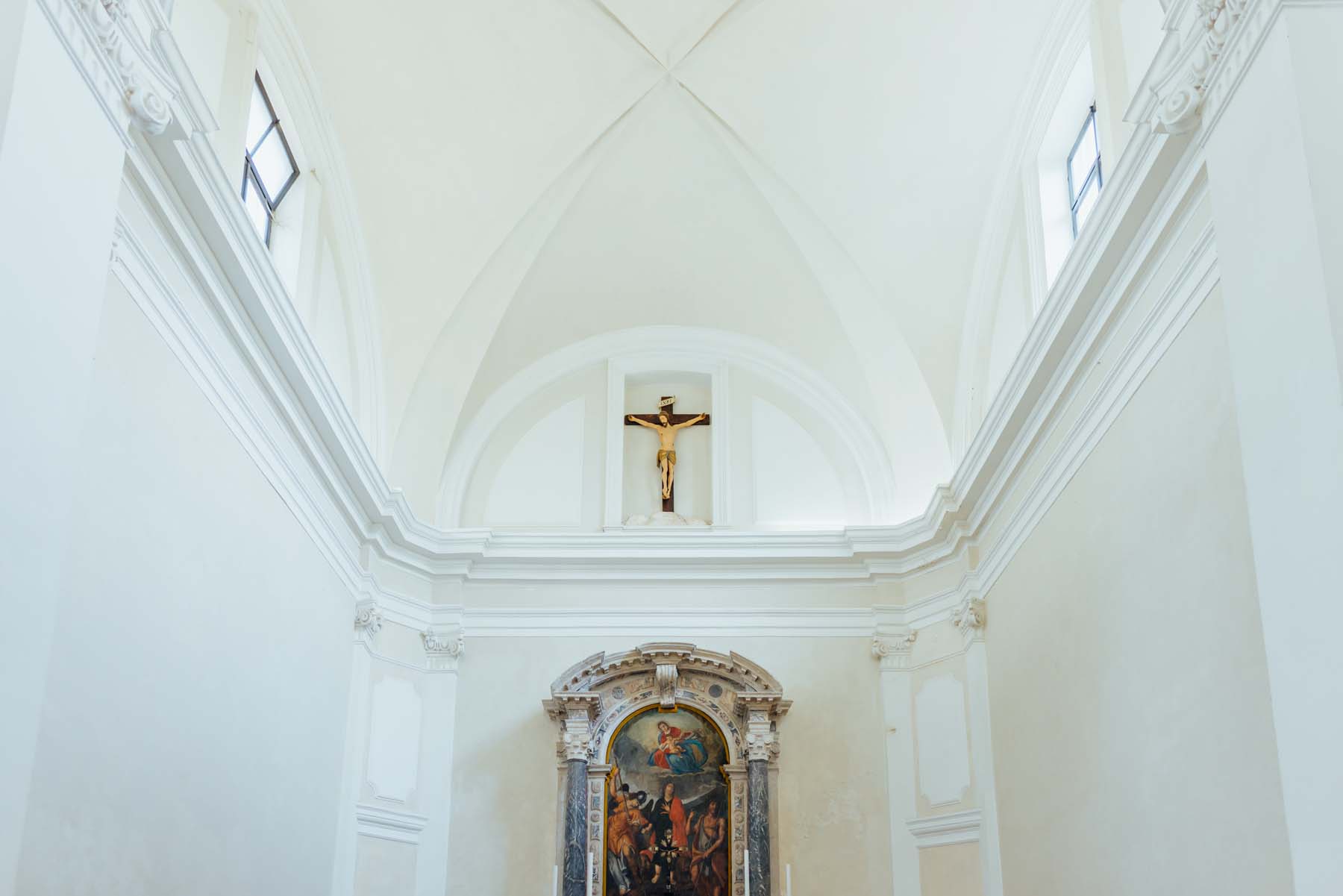
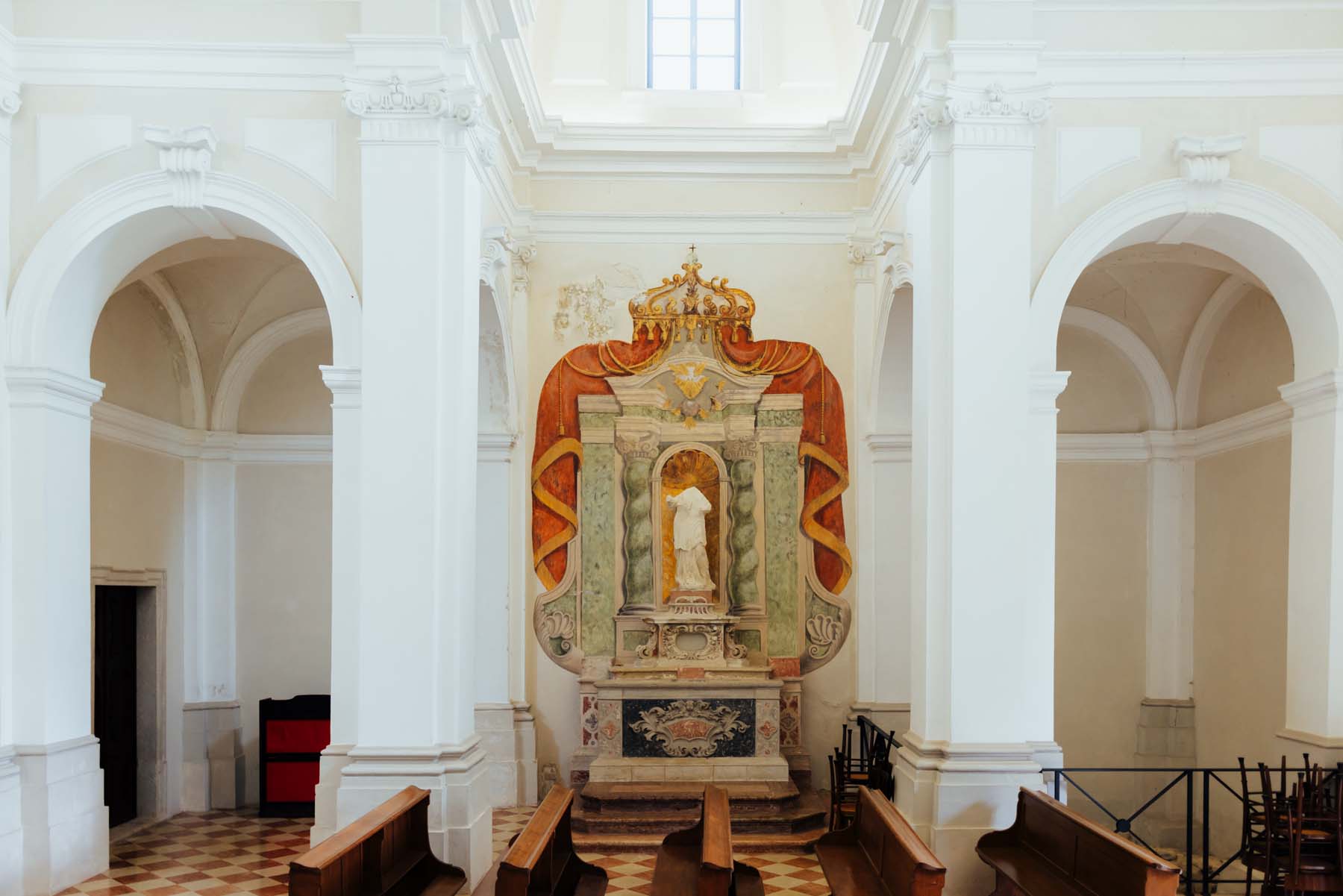
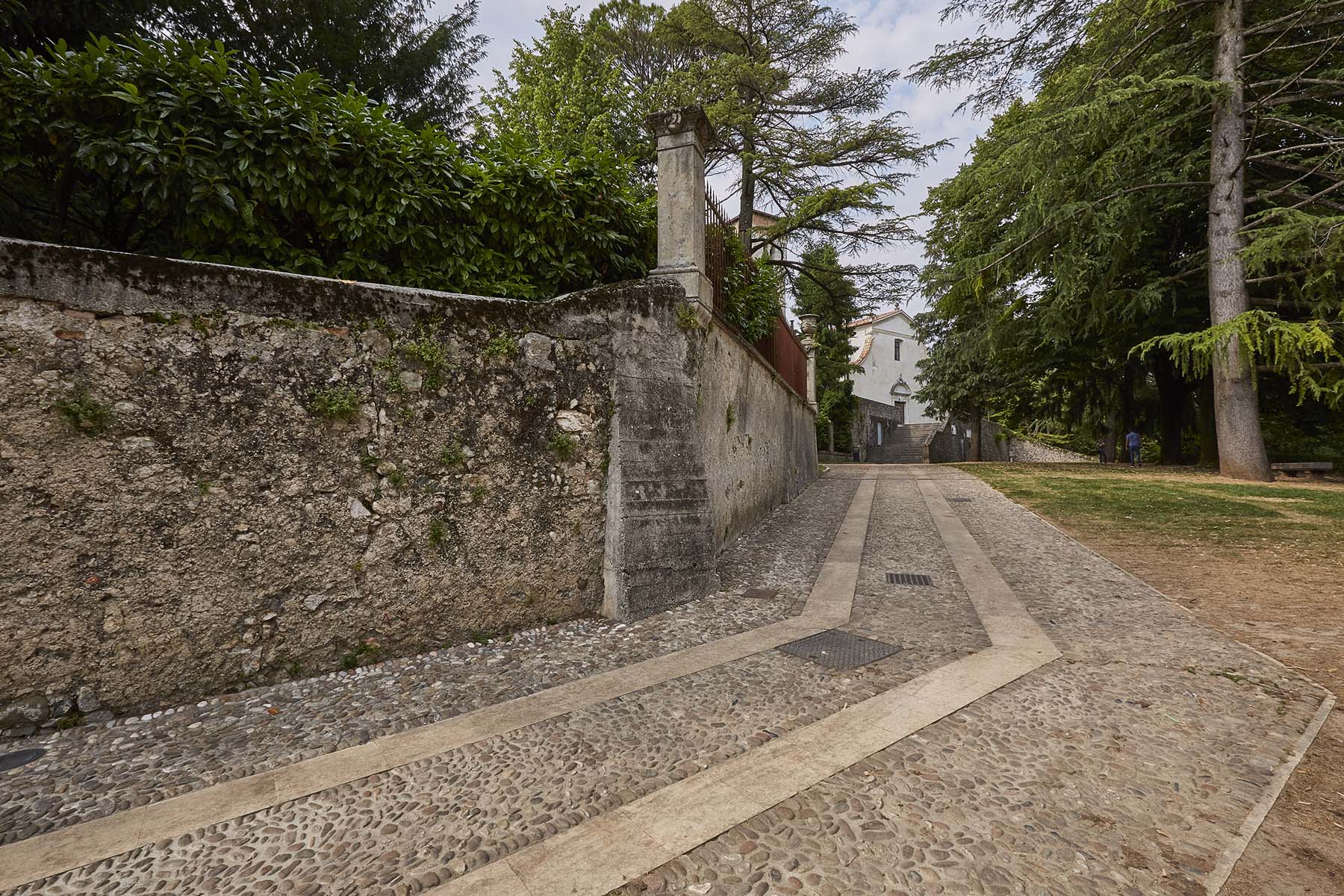
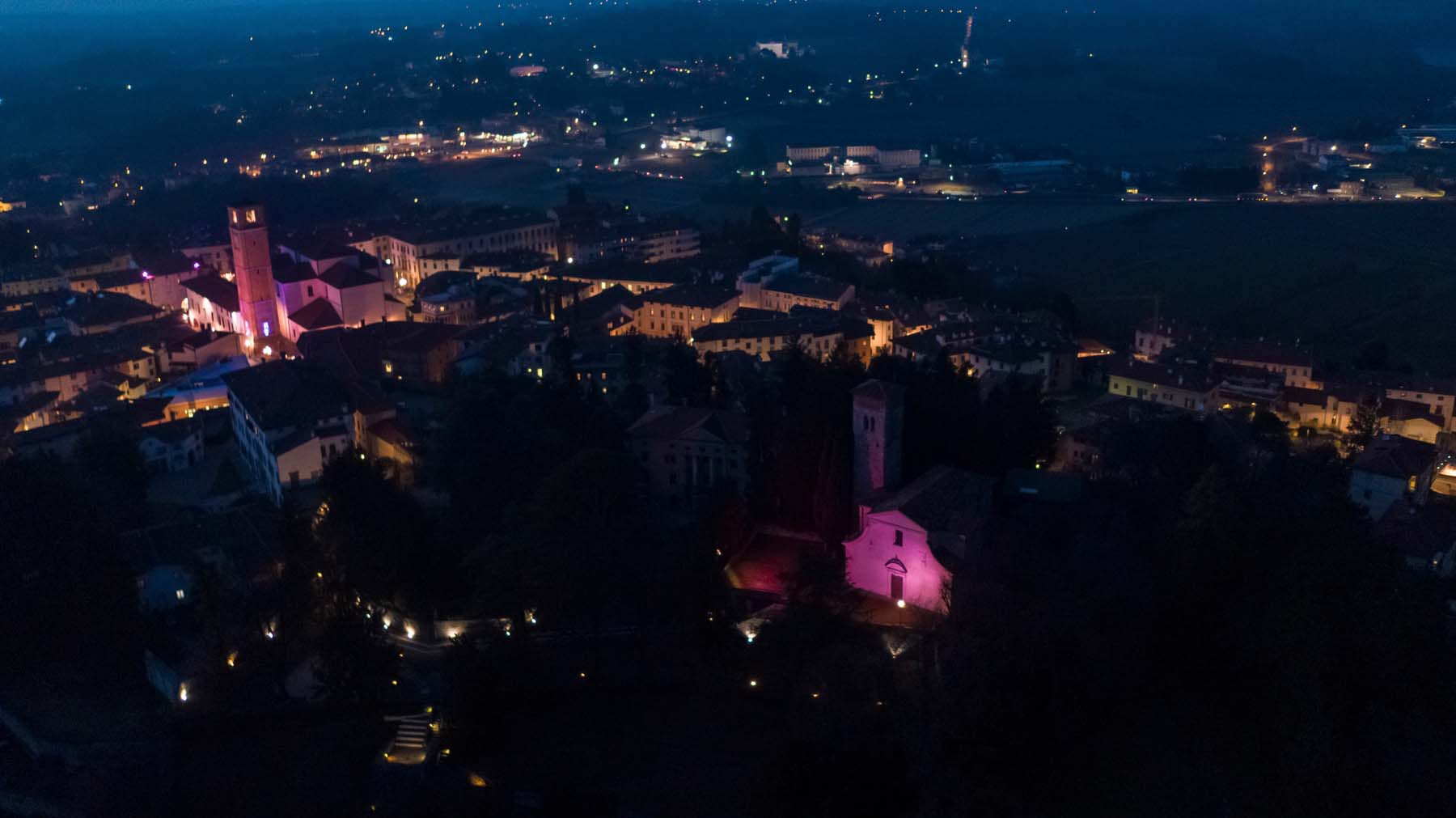
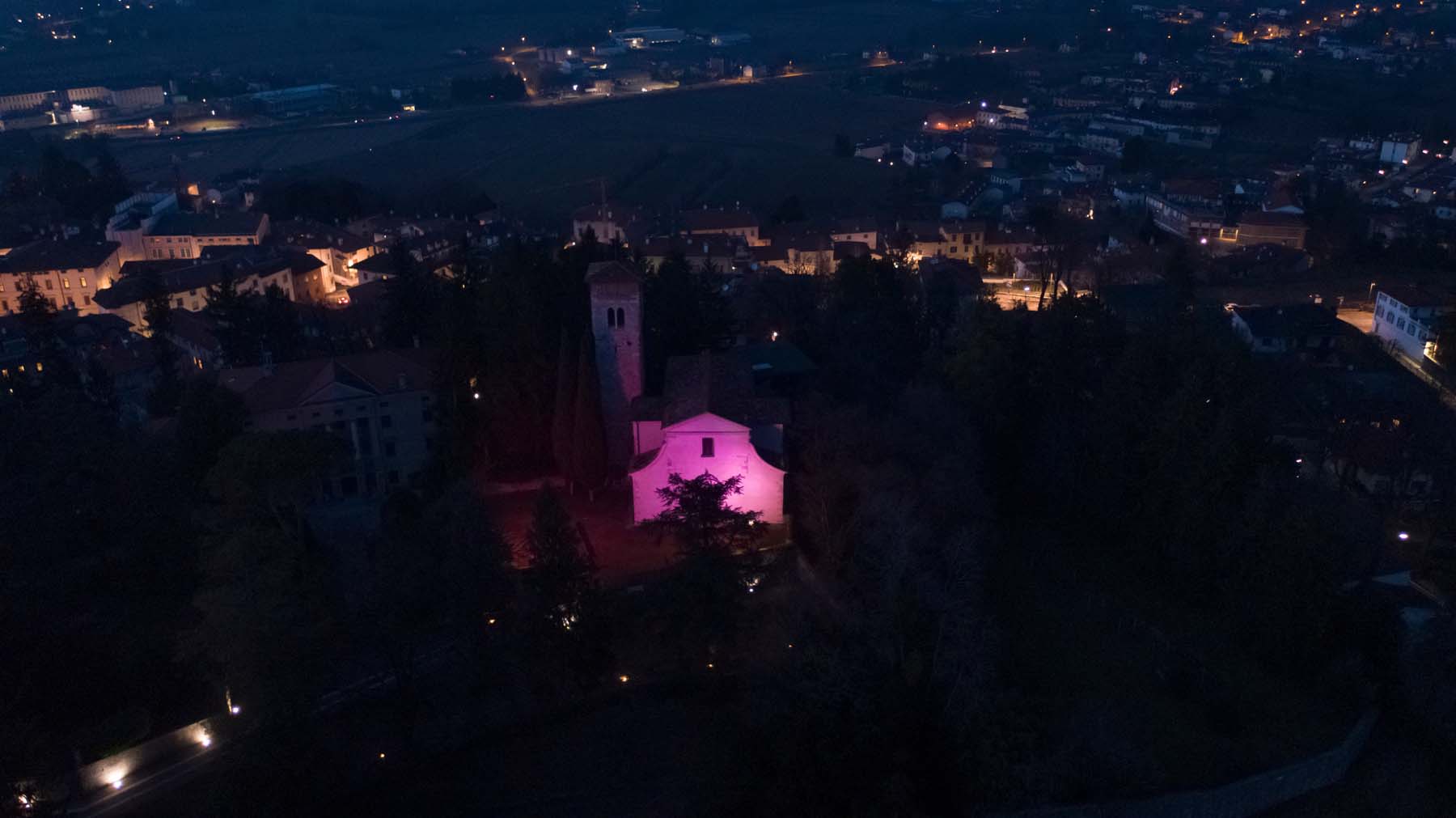
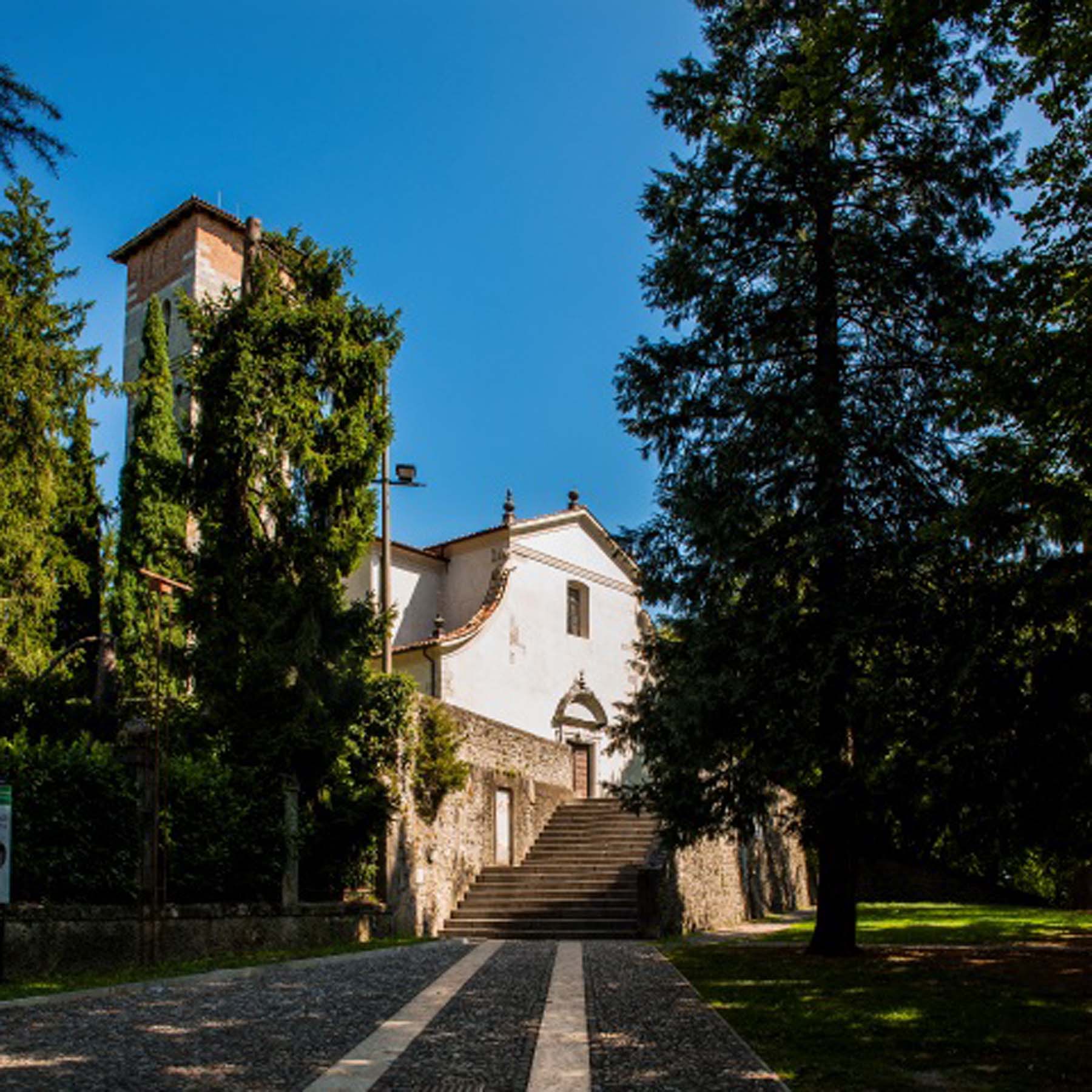
The Church of San Daniele in Castello, located atop the hill, boasts a thousand-year history that reflects the region’s diverse historical and cultural periods.
According to legend, in 927 the Lombard Rodoaldo had a primitive church built on the hill to atone for the murder of Leo the Patriarch of Aquileia. Archaeological research indicates that the hill has been inhabited since the Bronze Age (11th-8th centuries BC), with the presence of a village and a pre-Roman place of worship. Subsequently, during the Roman era, a building was erected there, and in the 7th century the area was occupied again. Towards the end of the 8th century, during the Carolingian period, a first church was built within a fortified settlement, a precursor to the medieval castle.
In the 13th century, the church is mentioned among the parishes of the upper archdeaconry. During this period, the building underwent renovations, including the creation of an atrium and the relocation of the entrance to the west side. A sacristy was also added to the north side. In the 18th century, the church was rebuilt, retaining elements of the previous structures. For example, the side portal, originally created in the 16th century for the Duomo by Carlo da Carona, was later moved here.
Behind the apse is a copy of a bas-relief depicting the Adoration of the Magi from the Barbarian era, the original of which is preserved in the Museo del Territorio. The church’s bell tower was created from a watchtower dating back to 1486, highlighting the fusion of defensive and religious elements typical of fortified churches.
After the 1976 earthquake, the building was restored, which required strengthening the foundations with concrete injections beneath the floor. The excavations, carried out by the Superintendency of Antiquities and Monuments of Friuli-Venezia Giulia, revealed the existence of three overlapping floors belonging to three sacred buildings, traces of early medieval colonnades, Carolingian-era plutei, the foundations of a Roman house from the Imperial era, two votive statues of the Celtic god Belenus, and other artifacts, now on display at the Museo del Territorio.
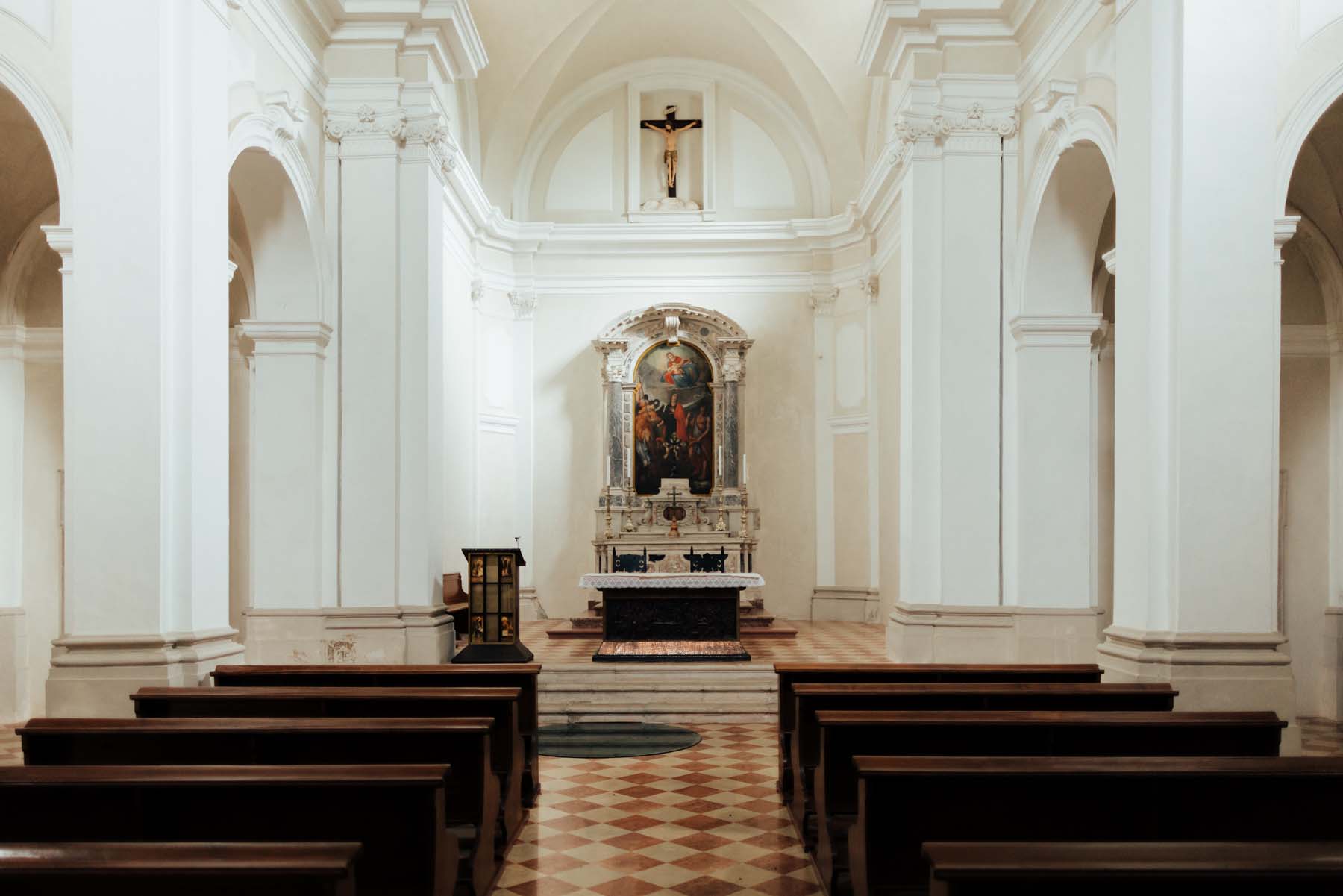
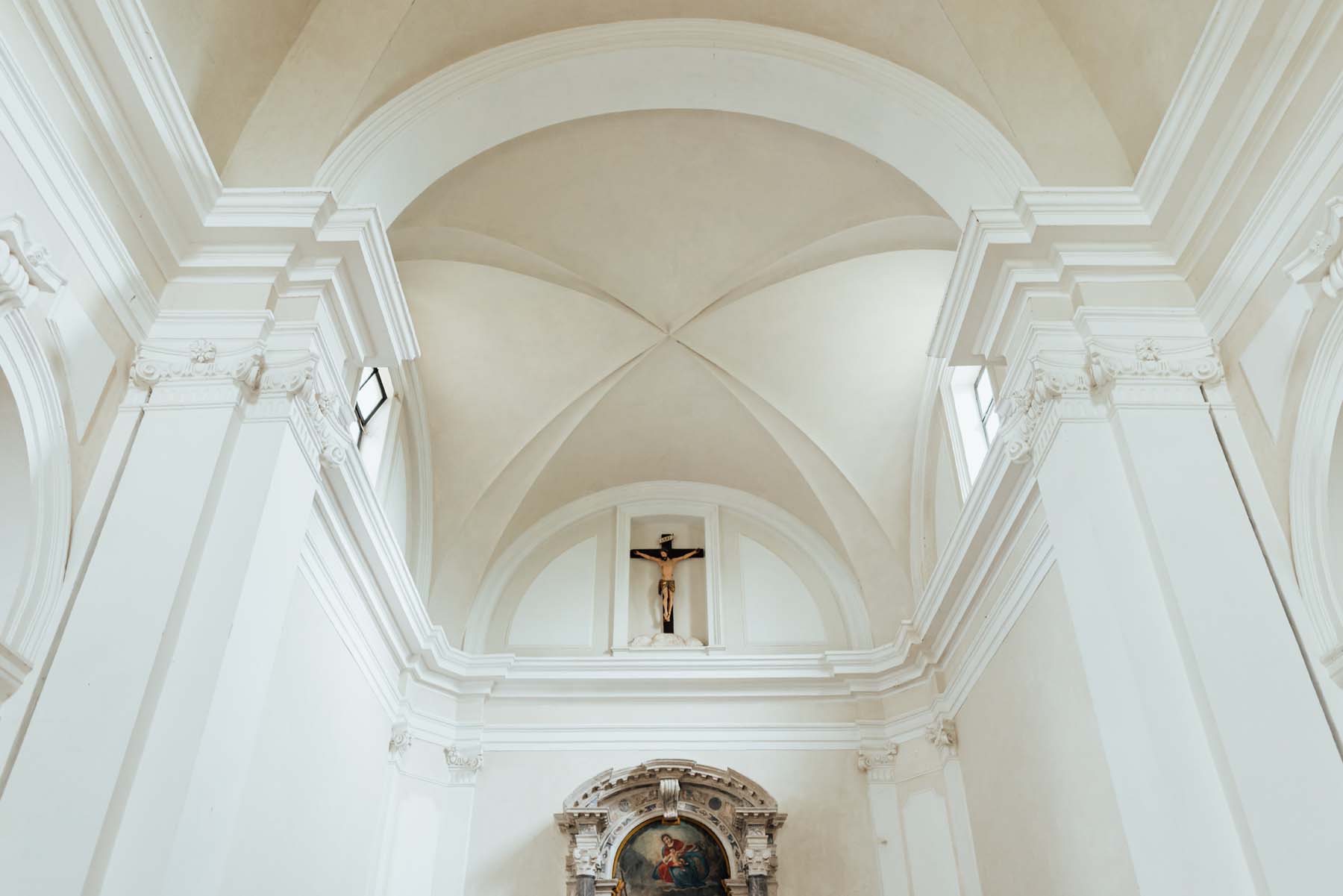
Inside the church, on the left, is a stone altar created by Carlo da Carona in 1512. In the upper part of the façade, framed by two cornucopias, stands a beautiful Pietà, while below it stands the triptych of the Madonna and Child between Saints Sebastian and Roch, invoked against the plague. The high altar, however, is a marble work from 1694 created by the Stefanutto family of Gemona.
In 1845, the old clock from the hour tower was recovered and placed on the bell tower of the castle church.
The Bells
In the early months of 1468, it was decided to ring the Castle Bell every evening at 6:00 PM to invite everyone back from the outside, and at 7:00 PM the city gates were closed. Even today, the bell can still be heard ringing at 10:00 PM.
In 1918, a decree was issued regarding the procedures for the requisition of bells by the Germans. Bells cast before 1600 would be deemed of historical value, and once their date was ascertained by a special commission, they were to be preserved in a special section until their fate was decided. On February 2, 1918, the bells from the small bell tower were requisitioned by the Germans. The largest bell, first cast in 1477 and recast in 1681, served as the ringing bell for all council and popular meetings for 236 years.
The Castle Park
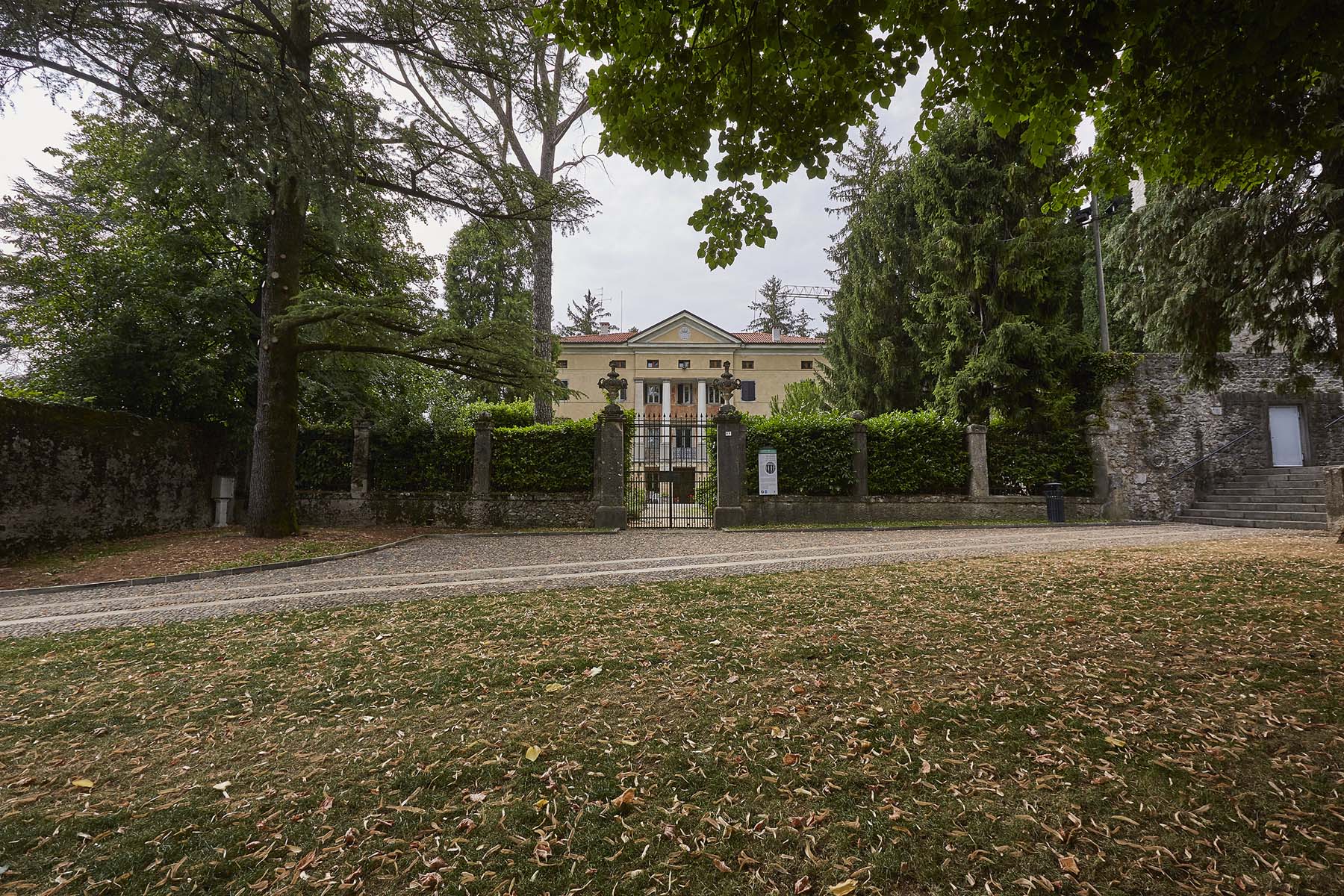
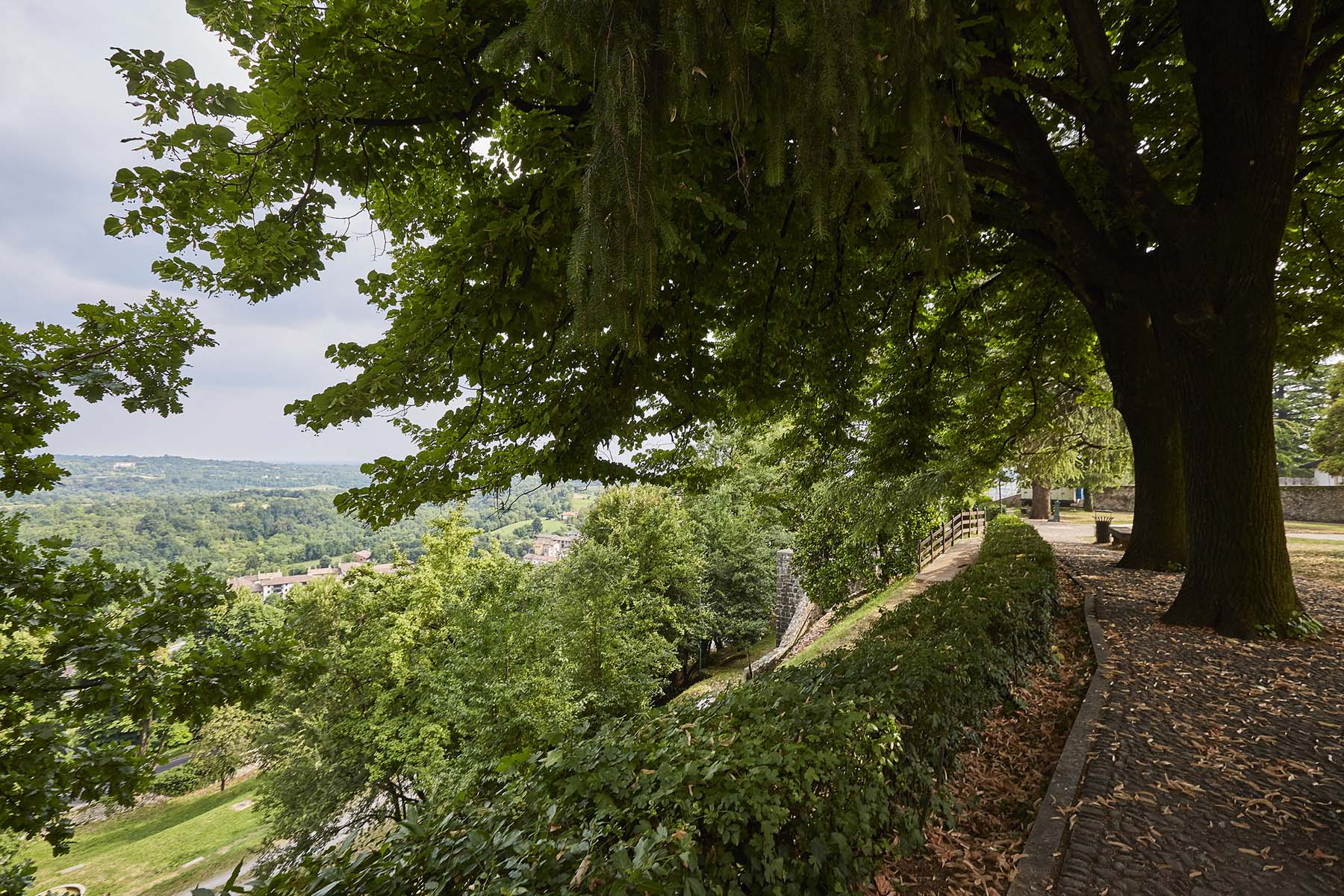
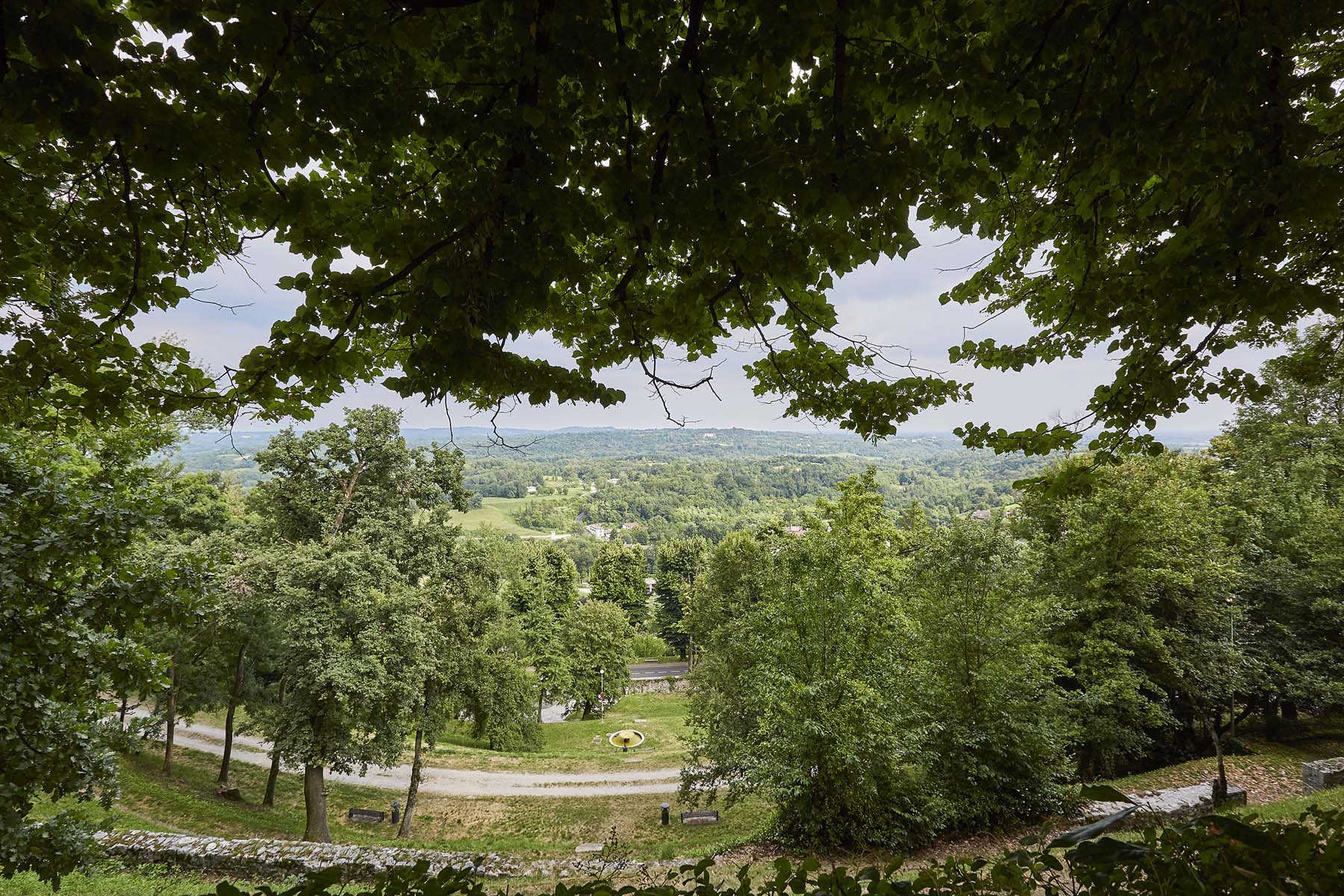
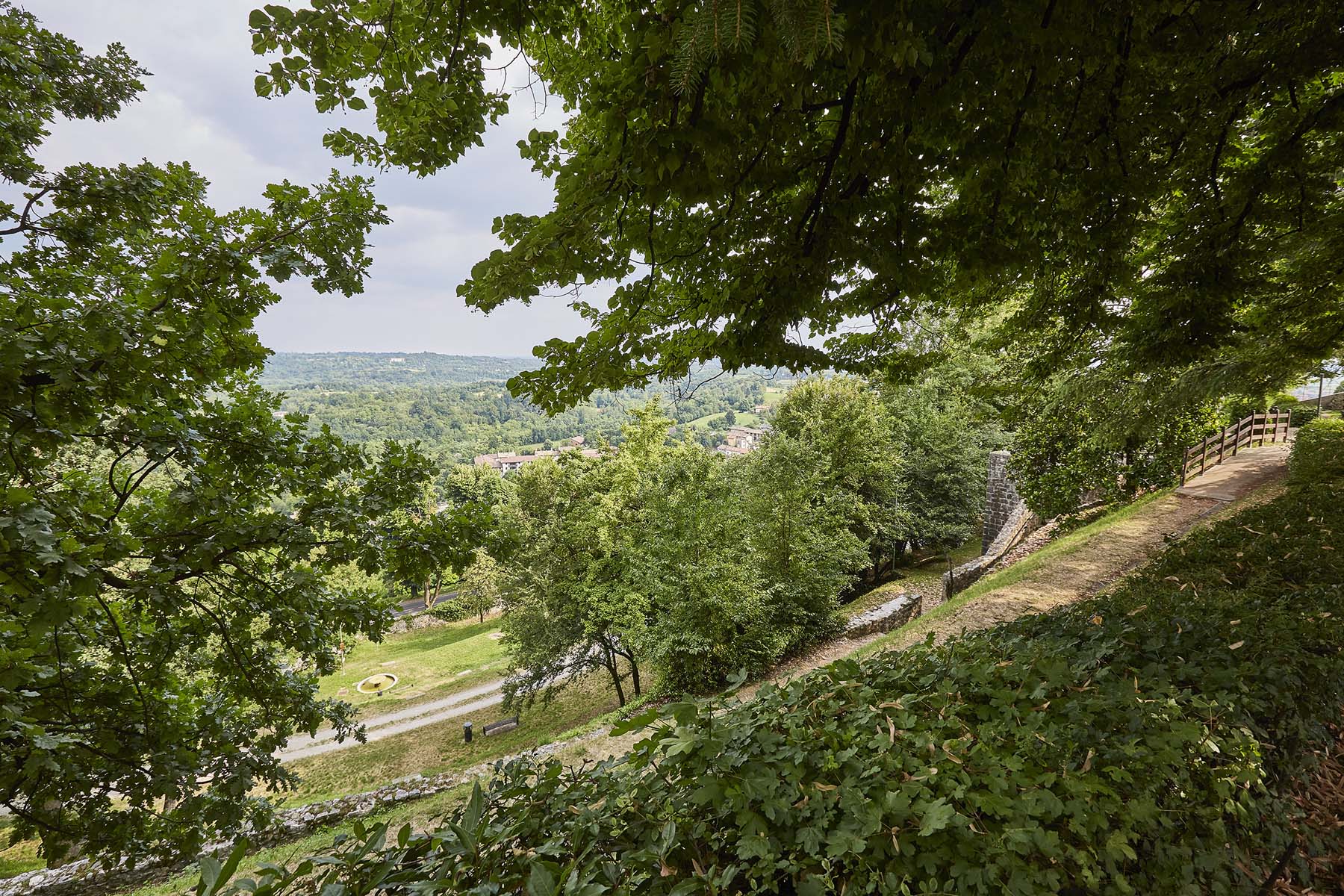
Below the church is the Castle Park, a green area offering visitors a peaceful and scenic setting, ideal for strolls and relaxation. From the panoramic terrace, you can enjoy a splendid view of the Friulian moraine hills and the plain below. The park, easily accessible from the historic center, is an unmissable stop for those wishing to immerse themselves in local history and enjoy breathtaking views of the Friulian landscape.