


Specific information
Image gallery
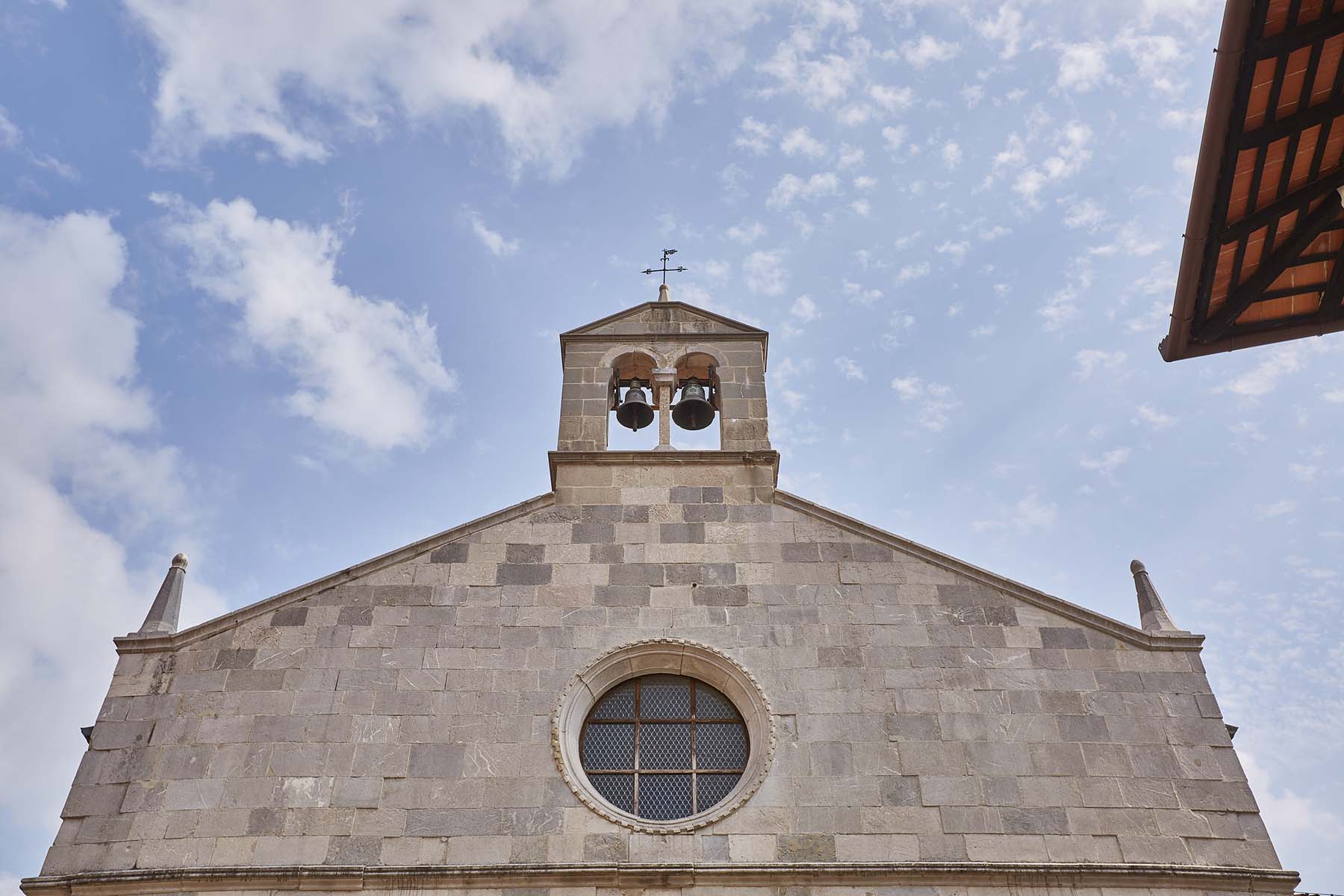
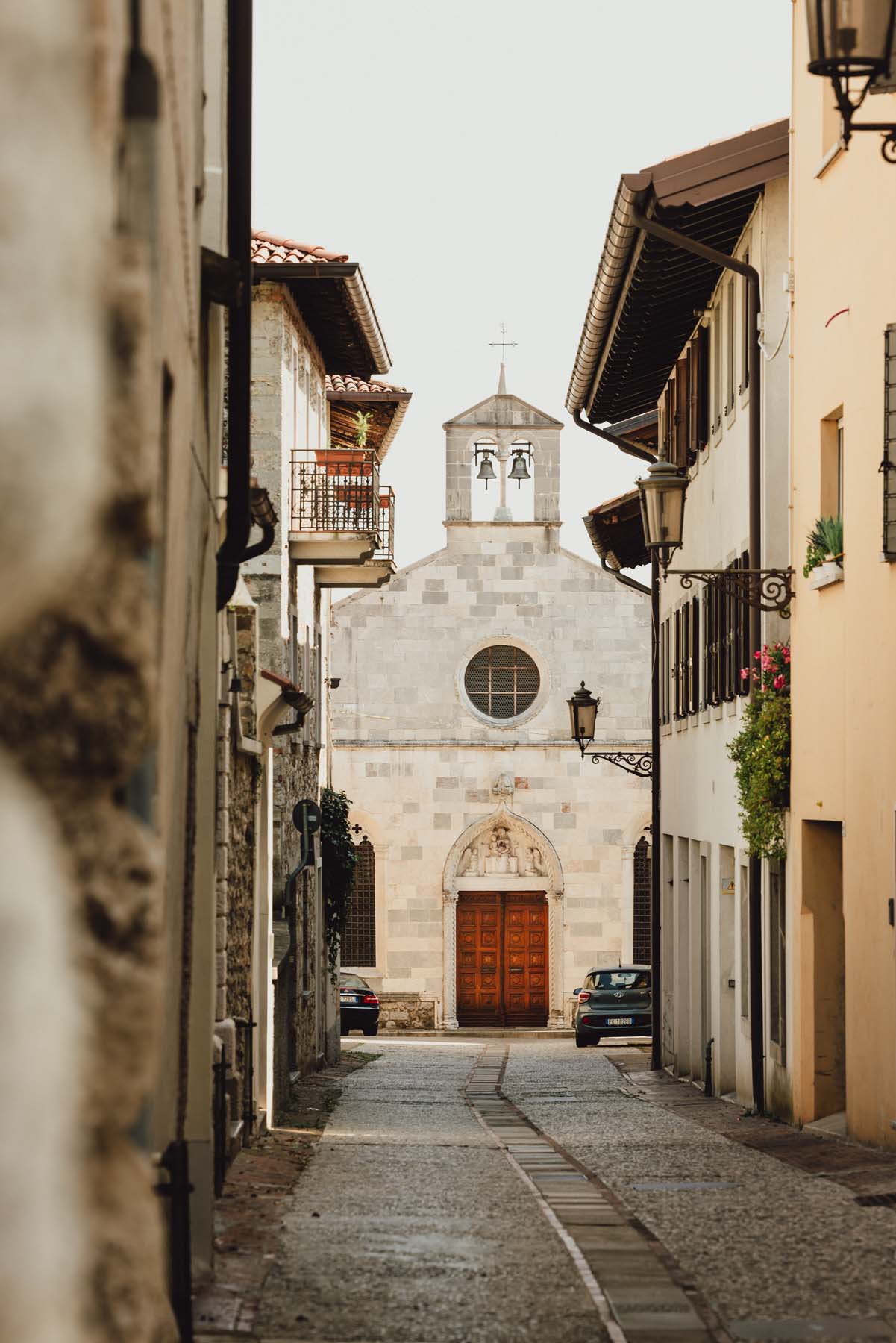
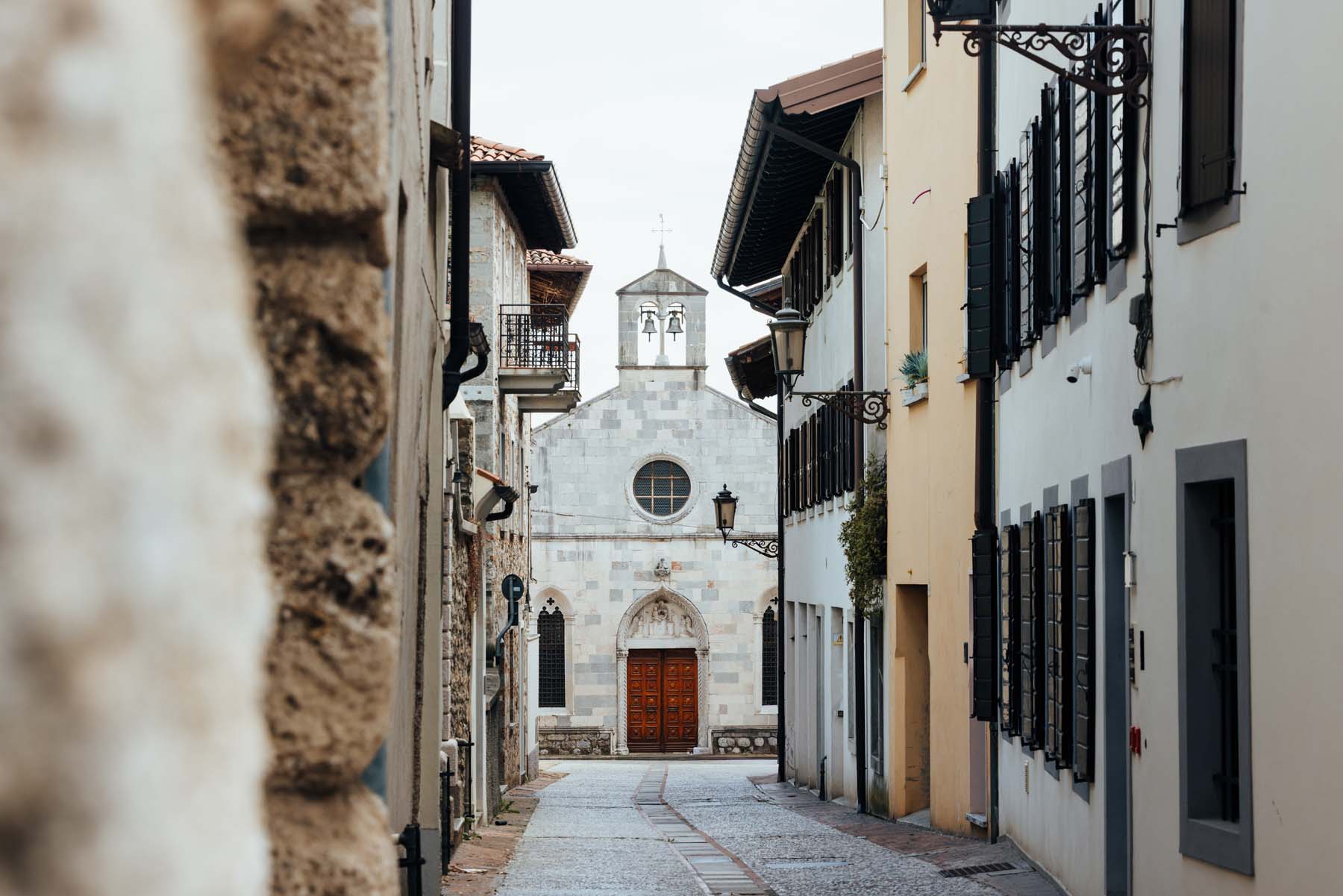
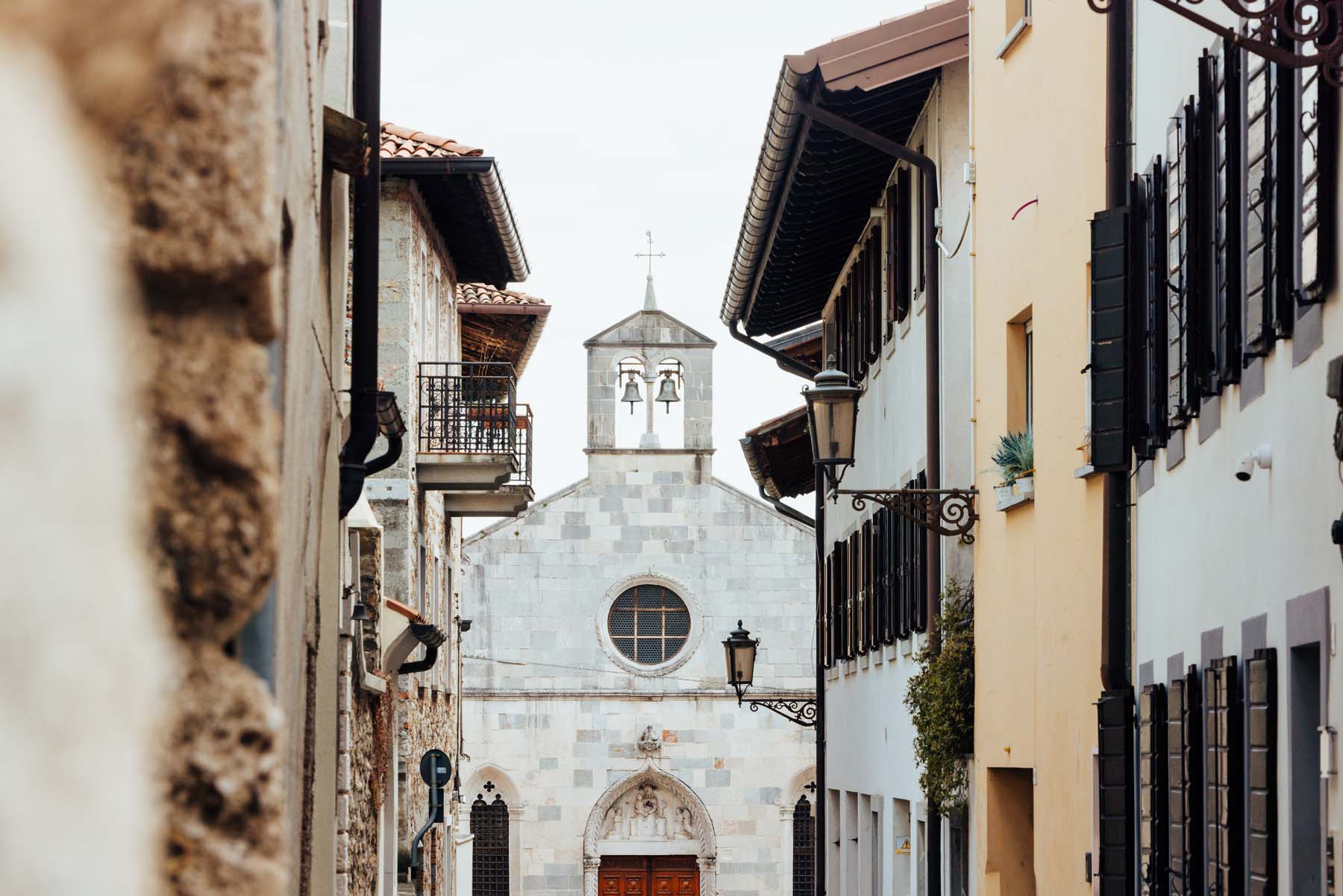
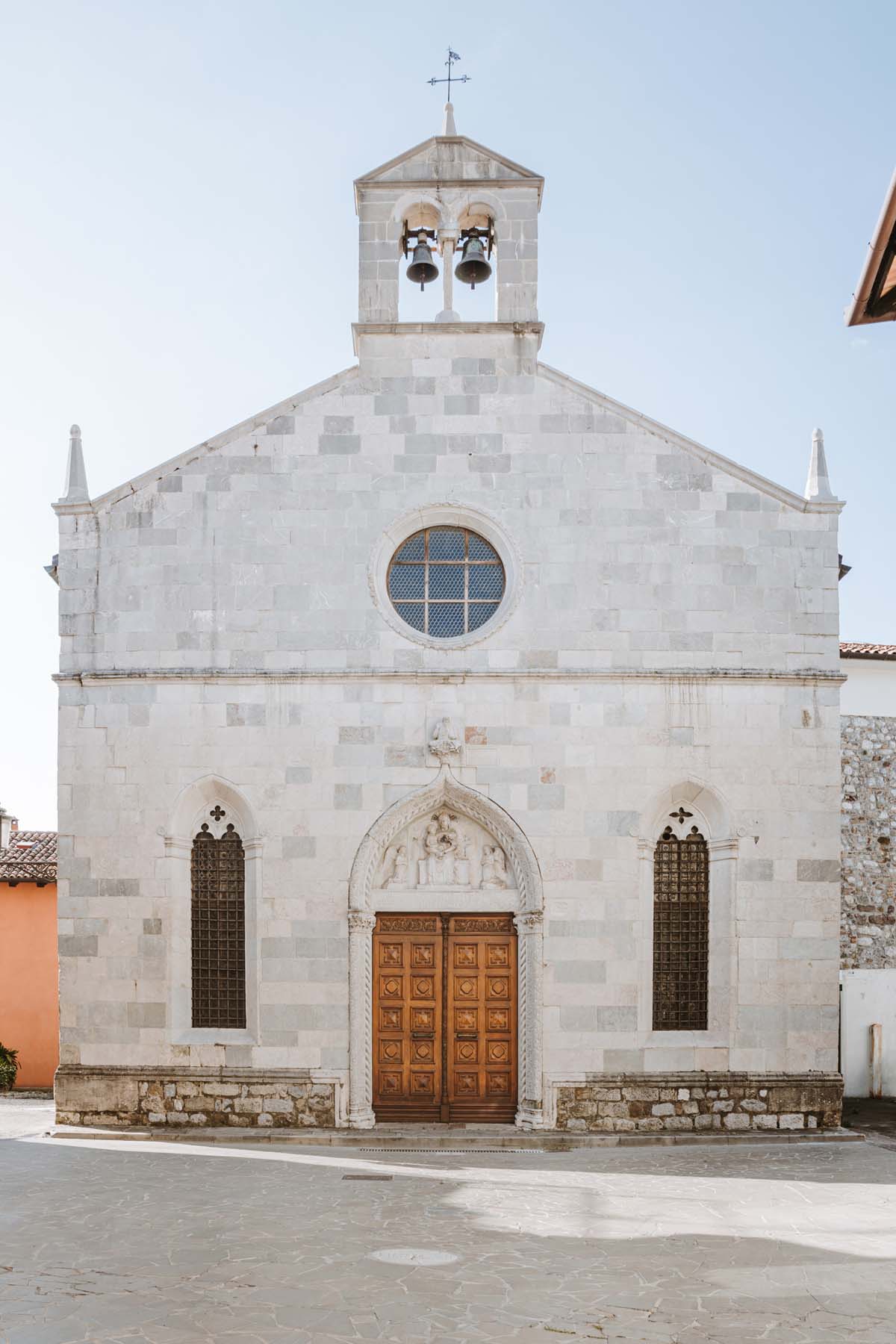
The Church of Santa Maria della Fratta was rebuilt around 1348 following the earthquake. It originally stood near a tower of the city walls, dating back to the 10th-11th centuries, now incorporated into the octagonal apse.
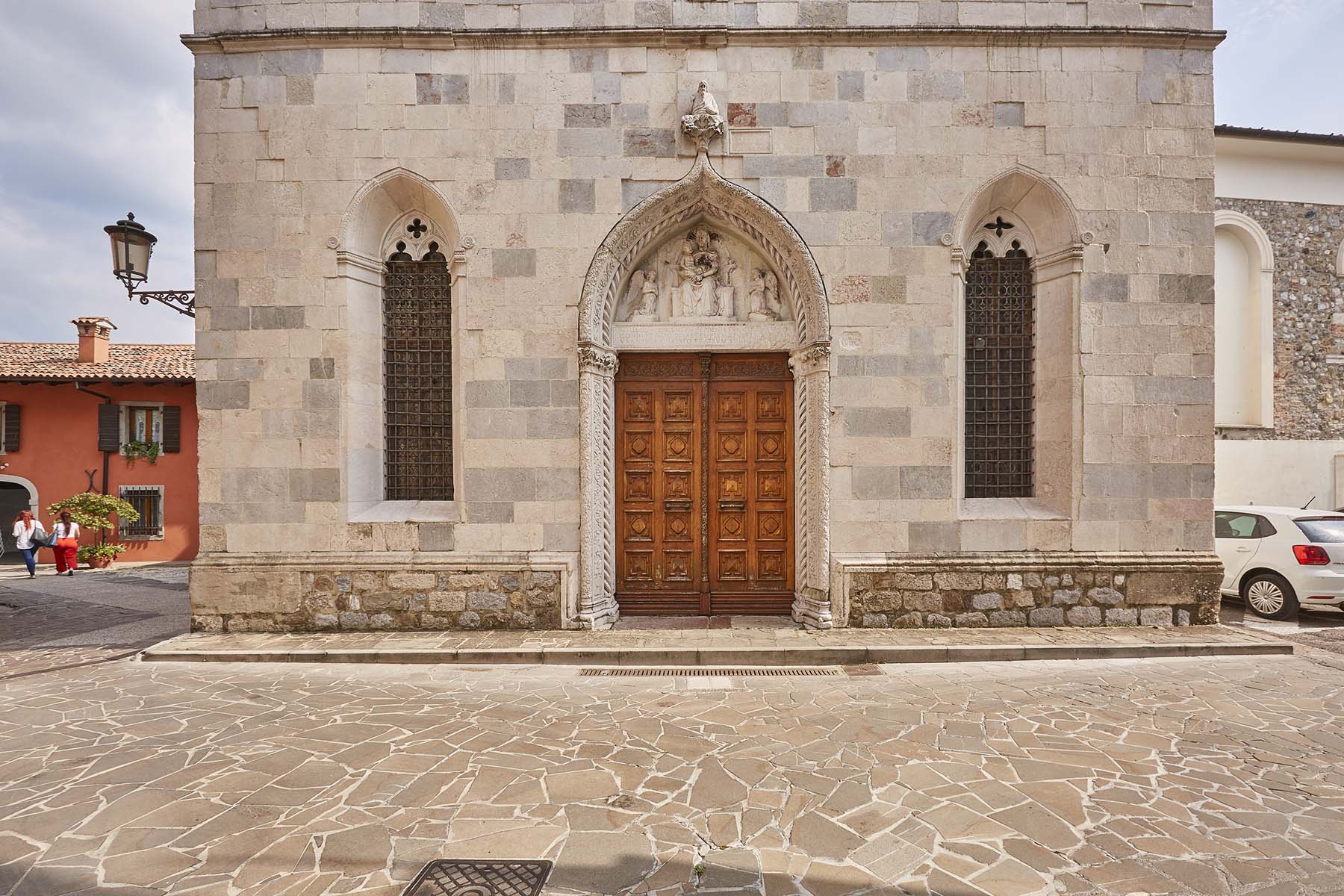
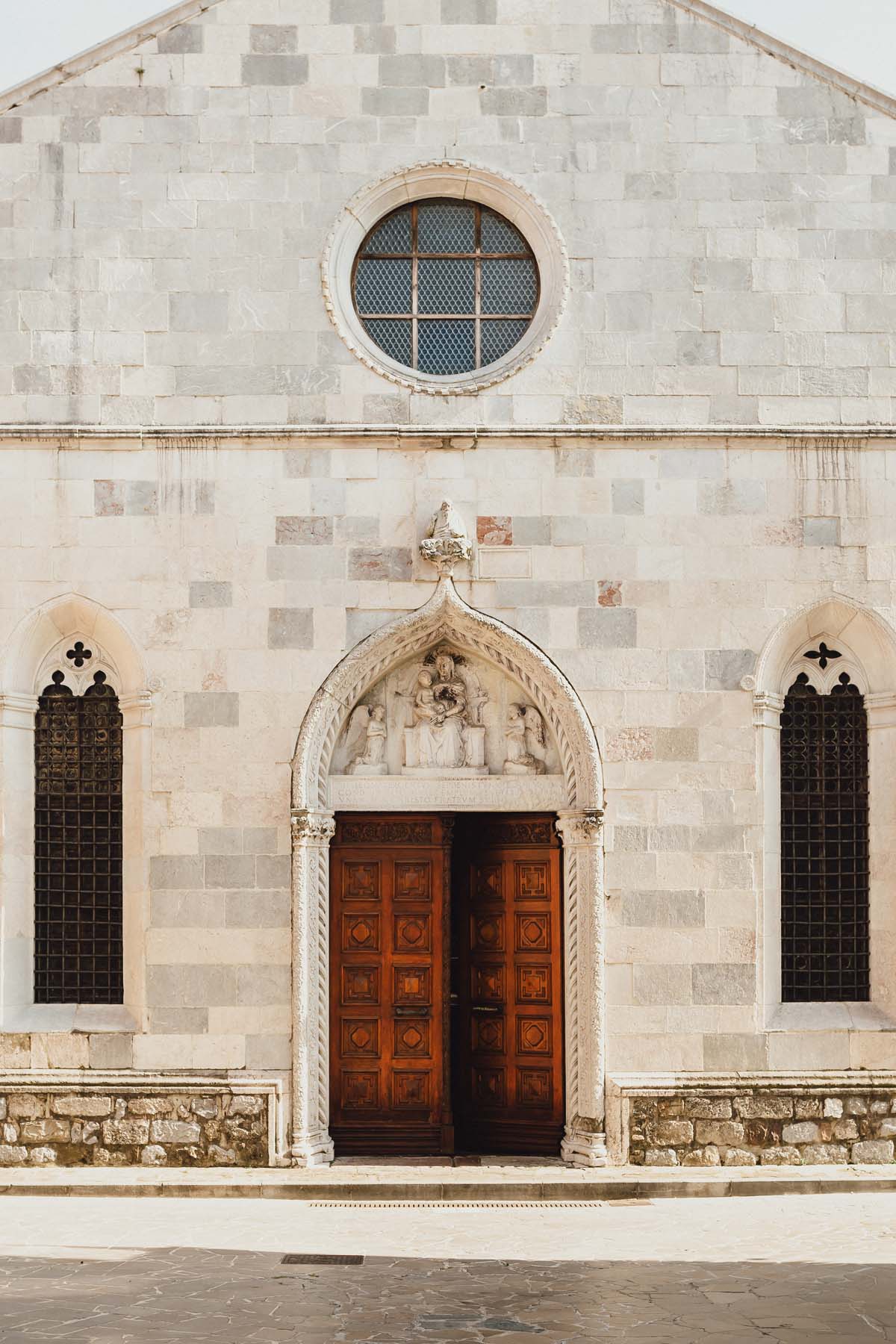
The stone façade, built in the second half of the 15th century, features a richly decorated portal with a bas-relief depicting Mary enthroned with the Child, adored by two angels, the work of the sculptor Giorgio da Carona. At the top of the portal is a bust of the Eternal Father, while on the right is a plaque commemorating the year the façade was built, 1469, and the building was consecrated on October 14, 1487.
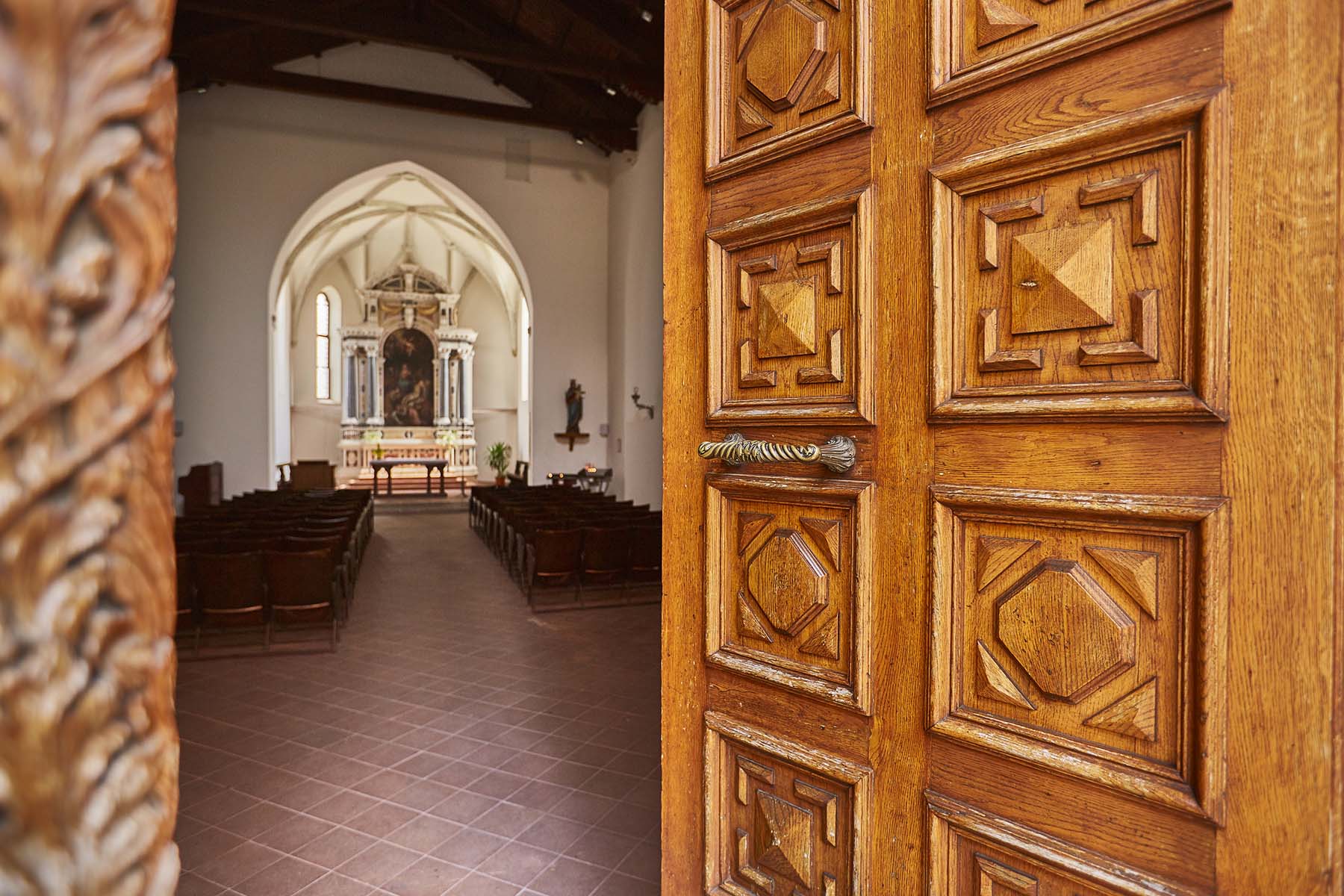
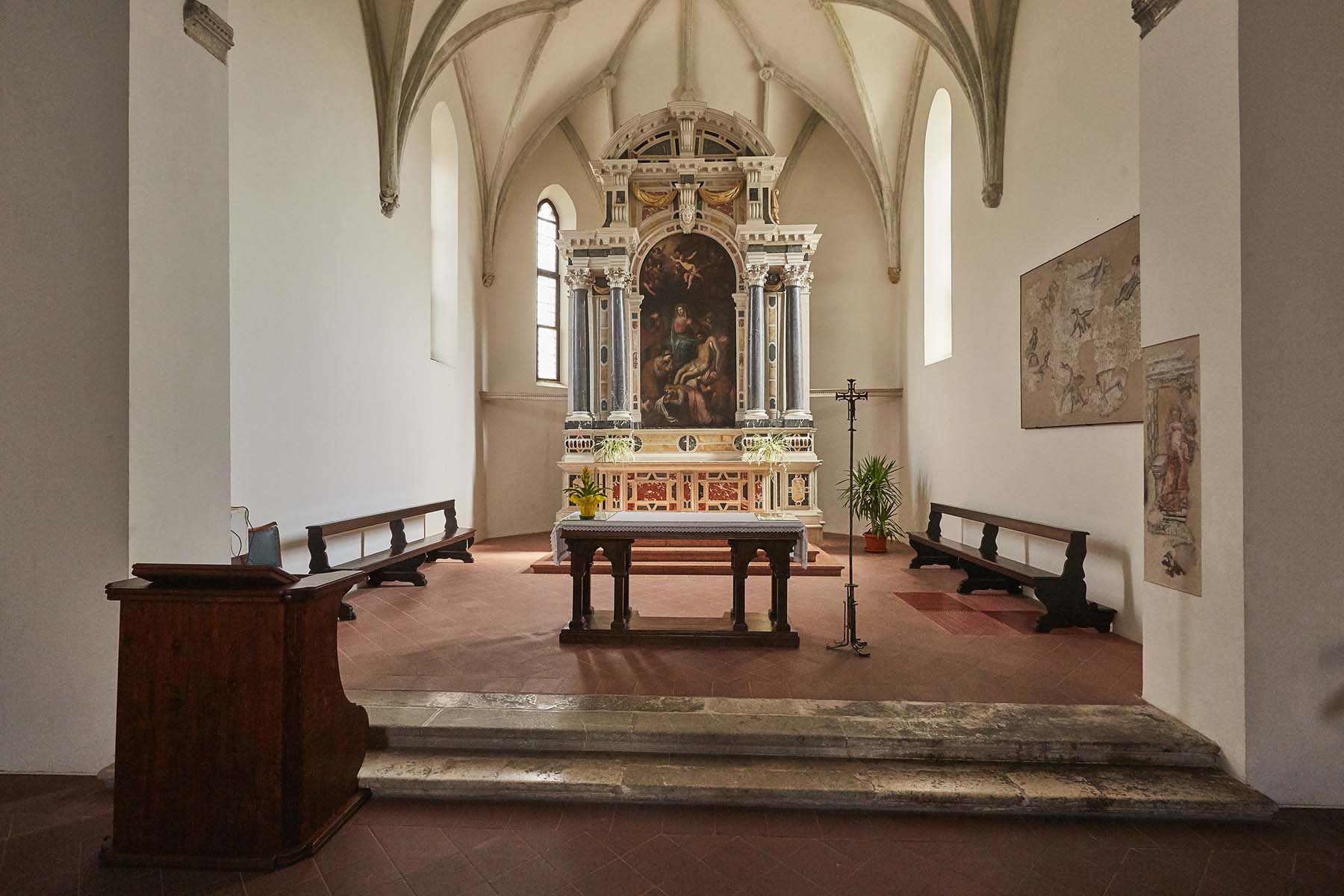
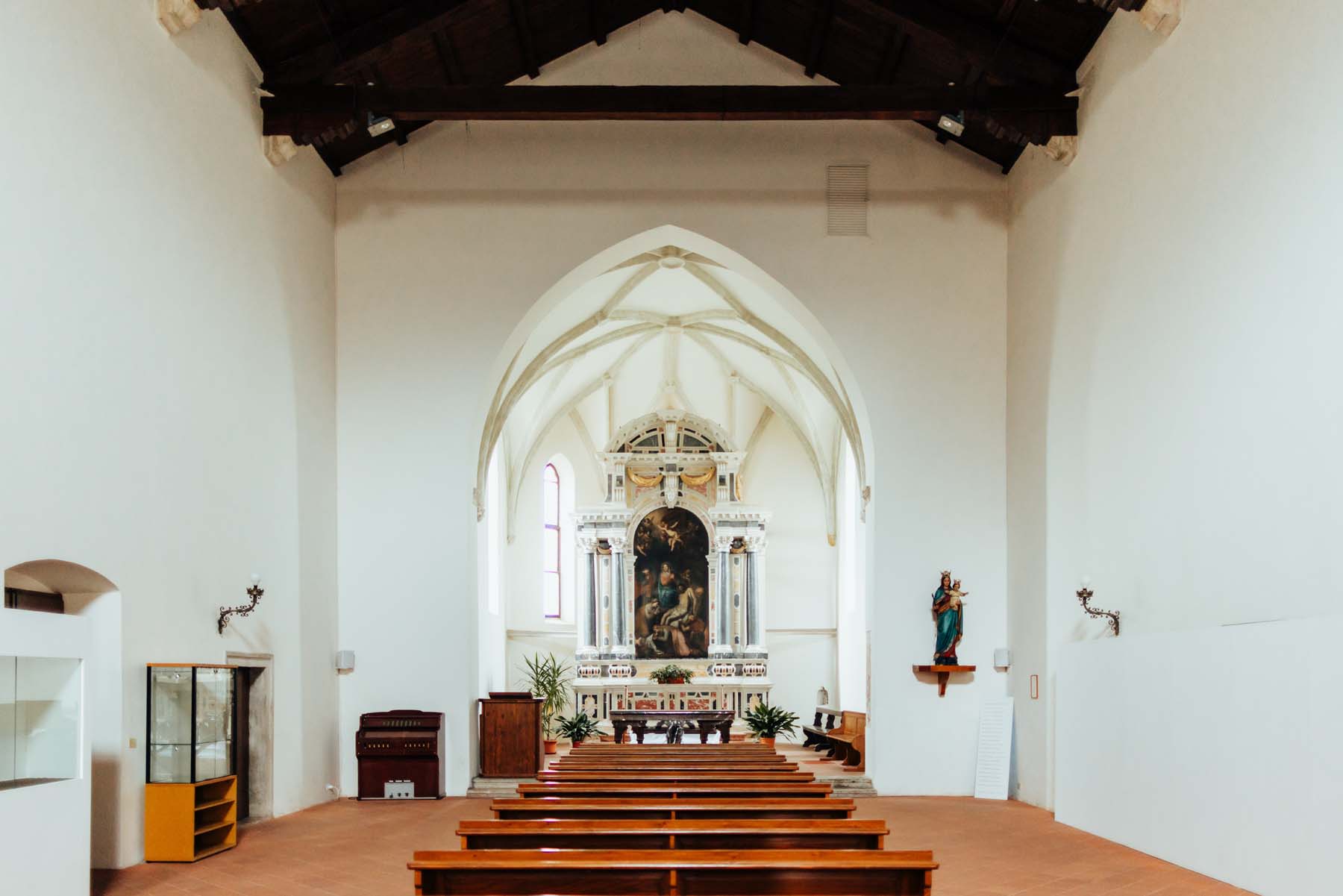
At the top of the façade is a mullioned bell window from 1501, created by Donato da Lugano. Inside, the church houses a 17th-century altar and a 15th-century fresco depicting a falconry scene.
The history of the church
The history of Fratta is linked to the legacy of the notary “Bajamonte,” who donated two of his houses in San Daniele in his will to restore the church of Sant’Antonio or the church of Santa Maria della Fratta, which also played a strategic role in defending the historic center. In 1350, after the reconstruction was completed by the municipality, the sacred building was entrusted to a fraternal order (the original name was Fraternis B.M. Virginis de Fracta, or popularly known as Madone de Frate).
On January 31, 1918, without warning, German soldiers entered the church from the recreation area and, climbing the small tower, detached the two bells and threw them to the ground. The larger bell remained intact, while the smaller, dated 1502, broke. The larger bell had been cast in 1308, testifying to the church’s existence before 1348.
Buildings annexed to the church
Adjacent to the church walls are the Casa della Fraterna della Fratta on one side, and the Splendor auditorium on the other, once the parish recreation center.
The Casa della Fraterna was once used to host preachers and distinguished guests of the Fraterna della Fratta. Between 1844 and 1846, it was the headquarters of the Austrian Gendarmerie and was later converted into a girls’ elementary school. Today, it is privately owned.
The parish recreation center was established by Don Francesco Grillo, who purchased the building adjacent to the church. It was inaugurated in October 1911 and officially opened on June 29, 1912. A theater company was also formed, involving children from the recreation center and young parishioners, which would take the name Compagnia del Sacro Cuore.