


Specific information
Image gallery
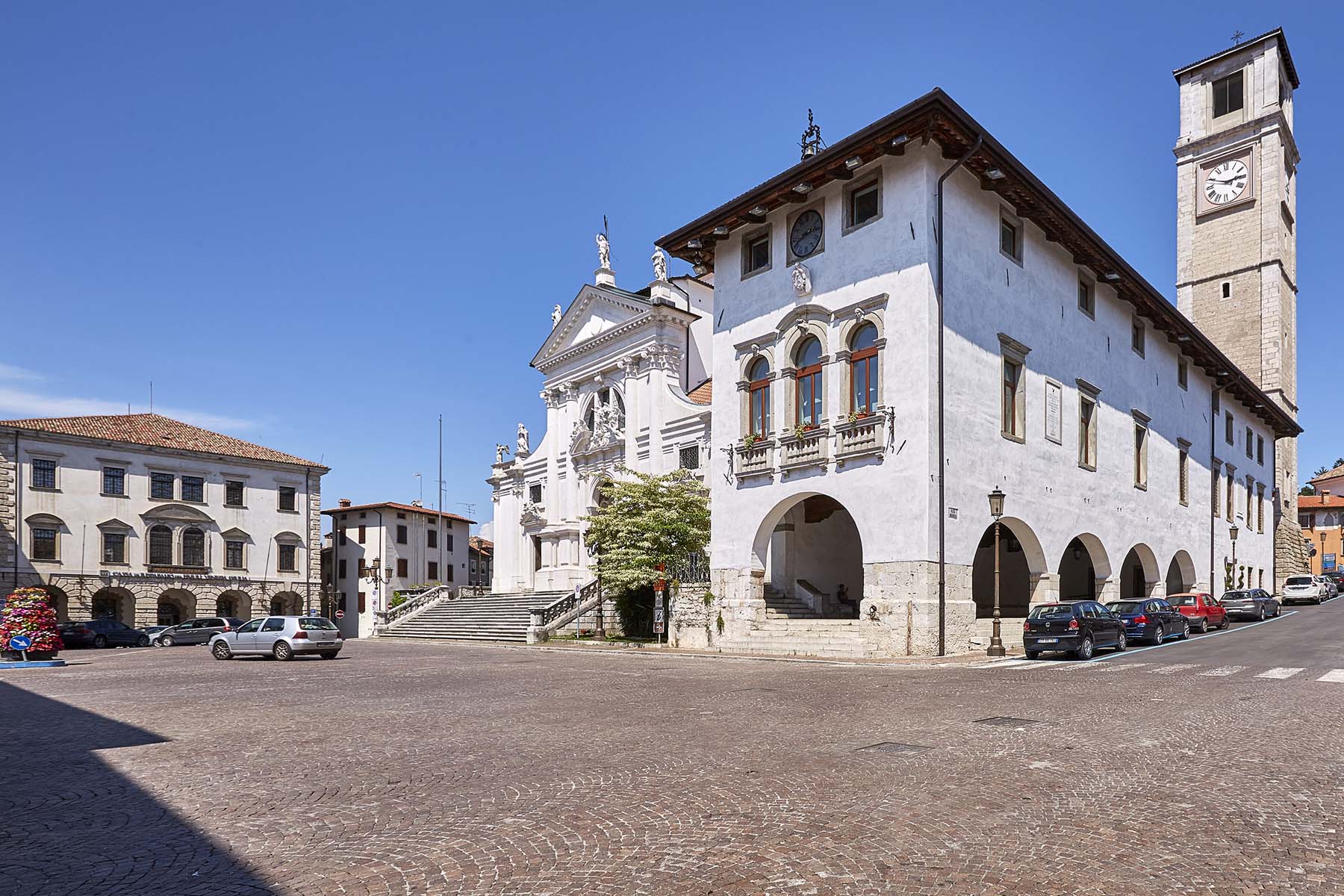
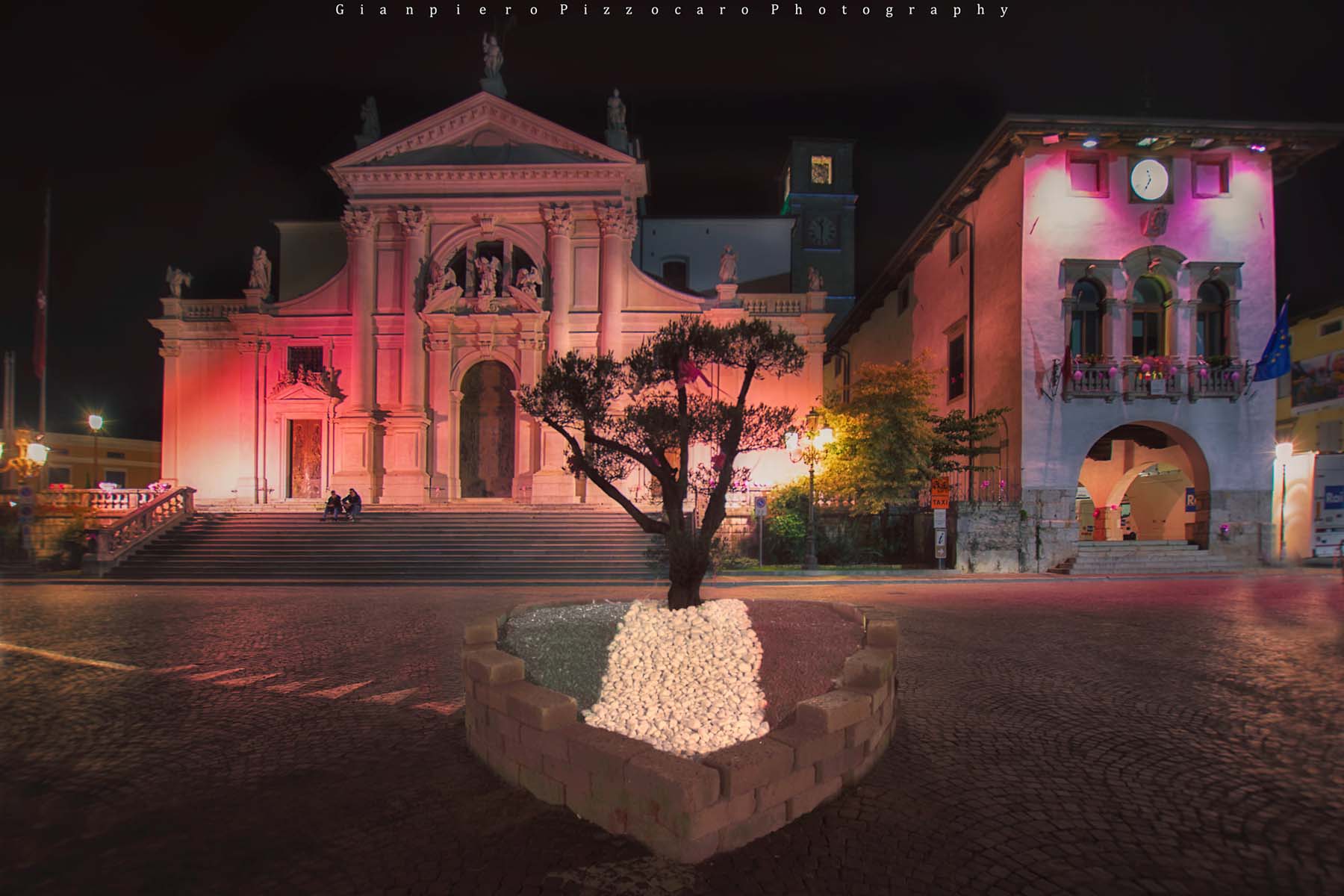
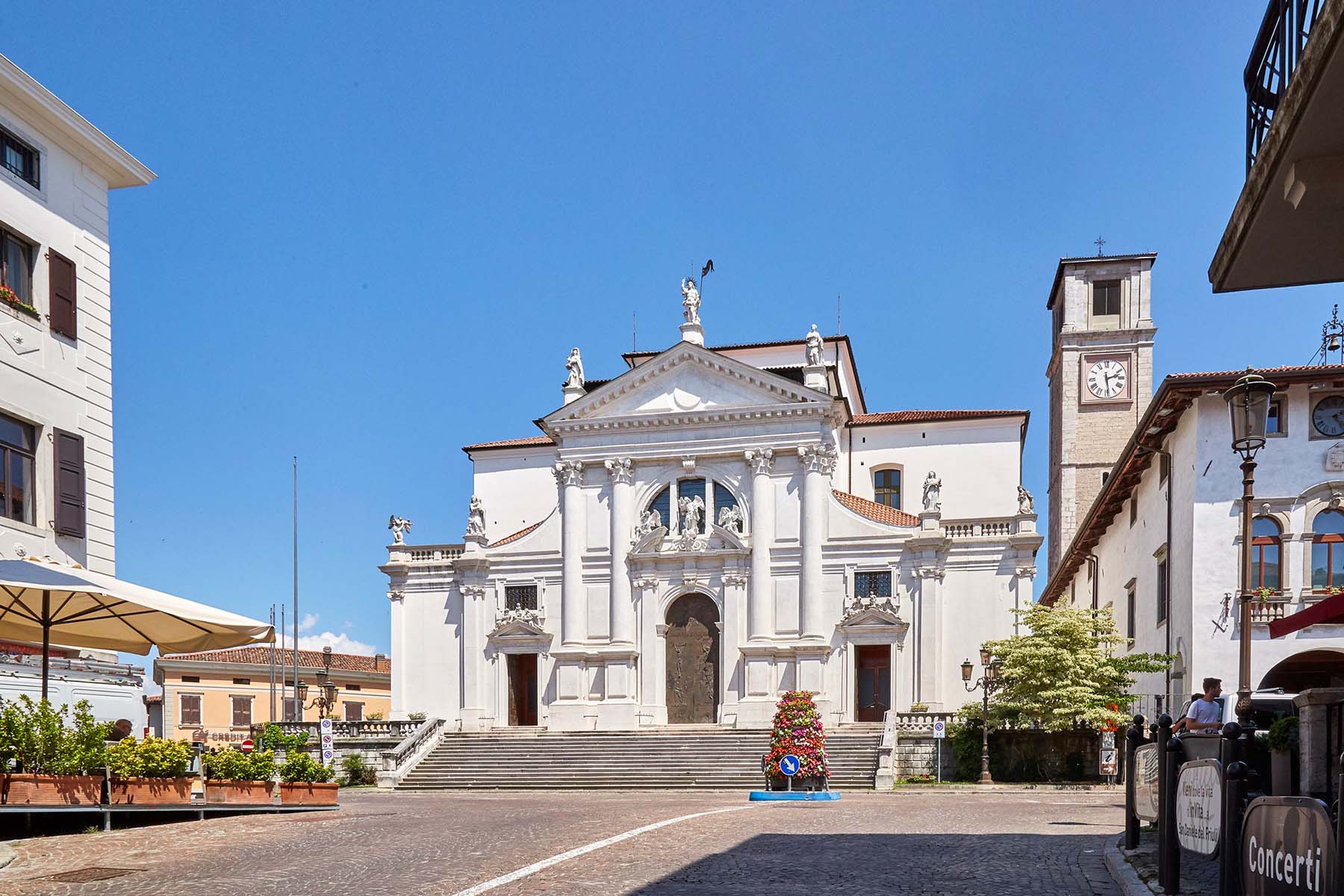
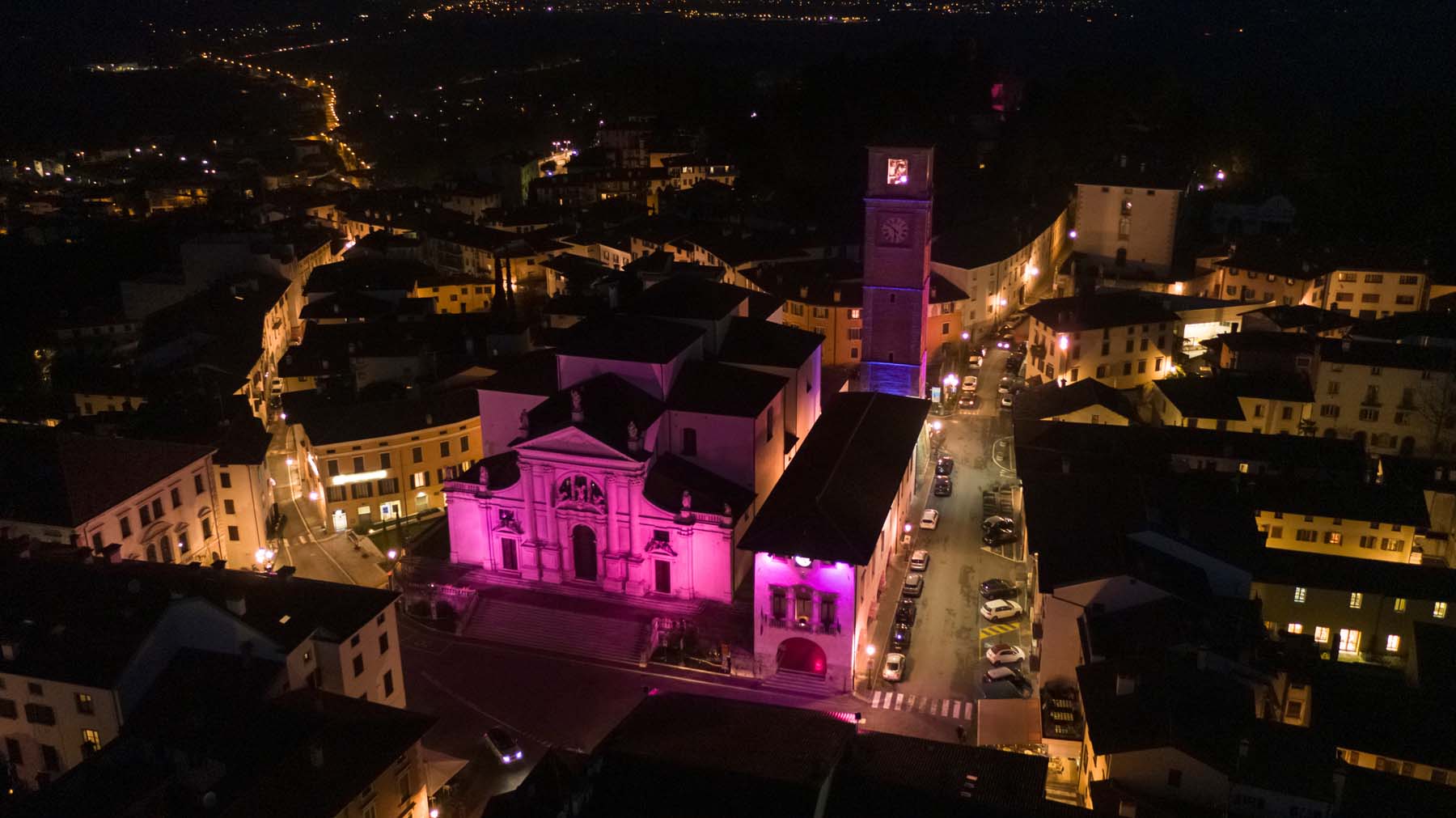
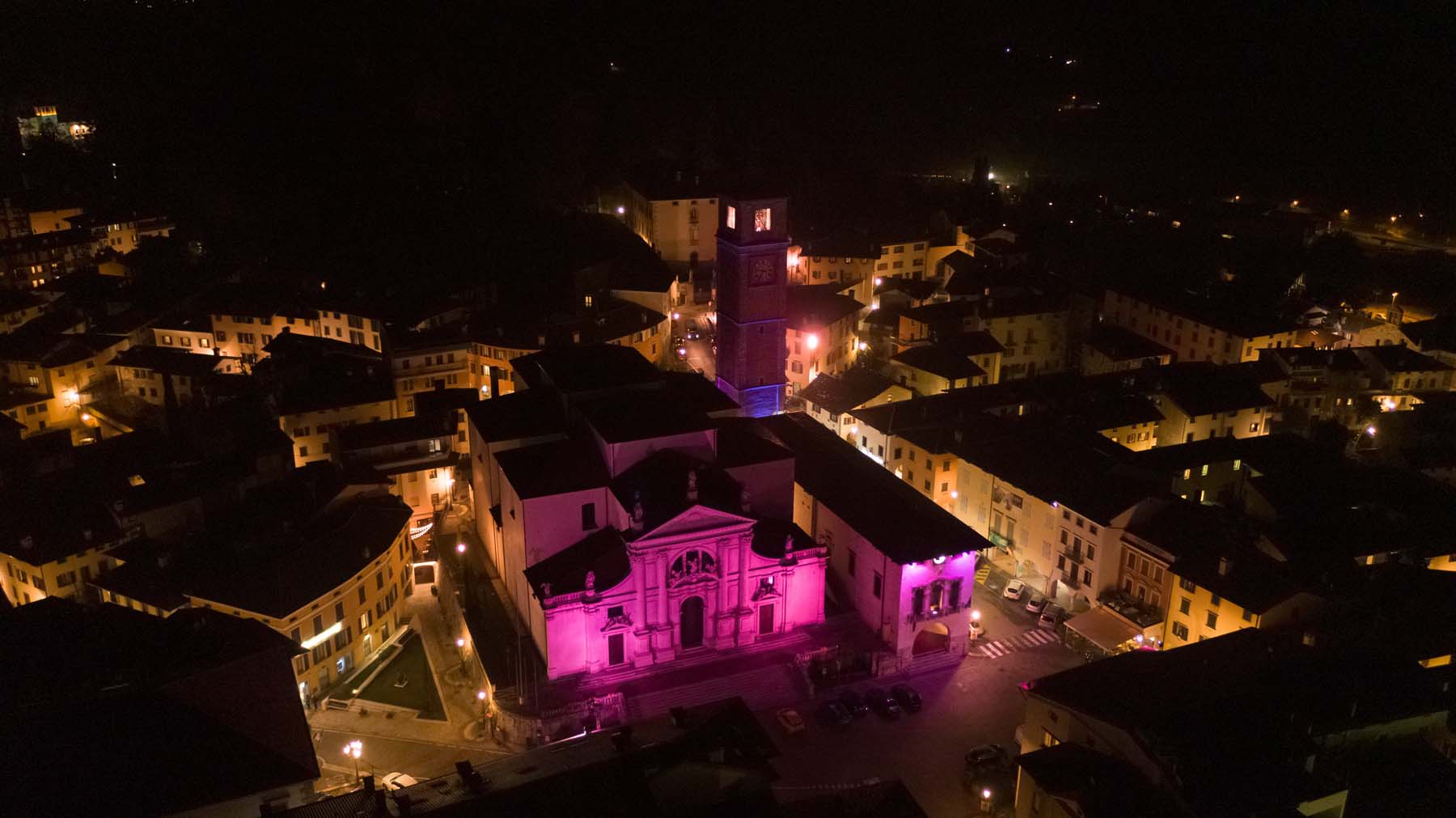
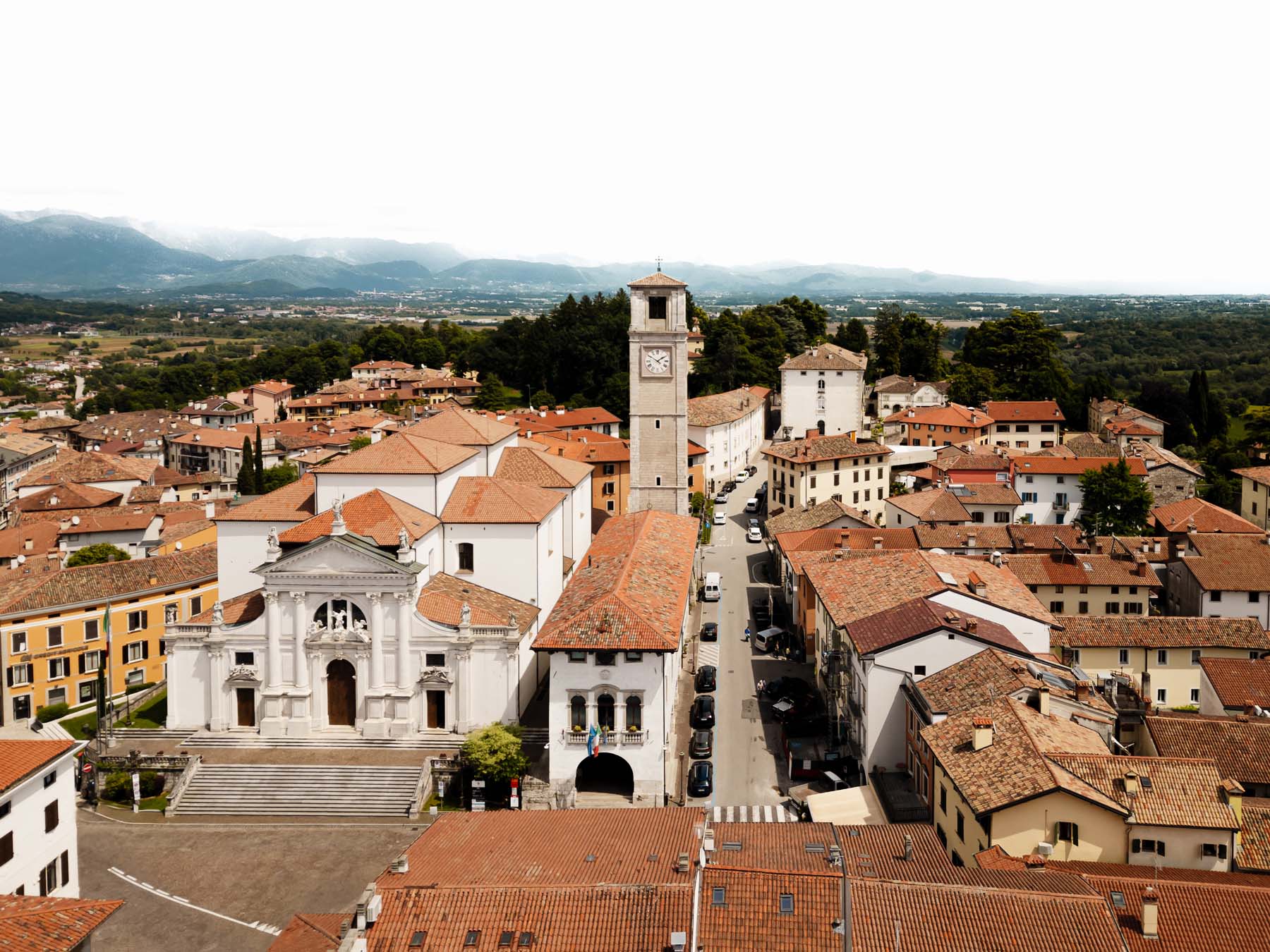
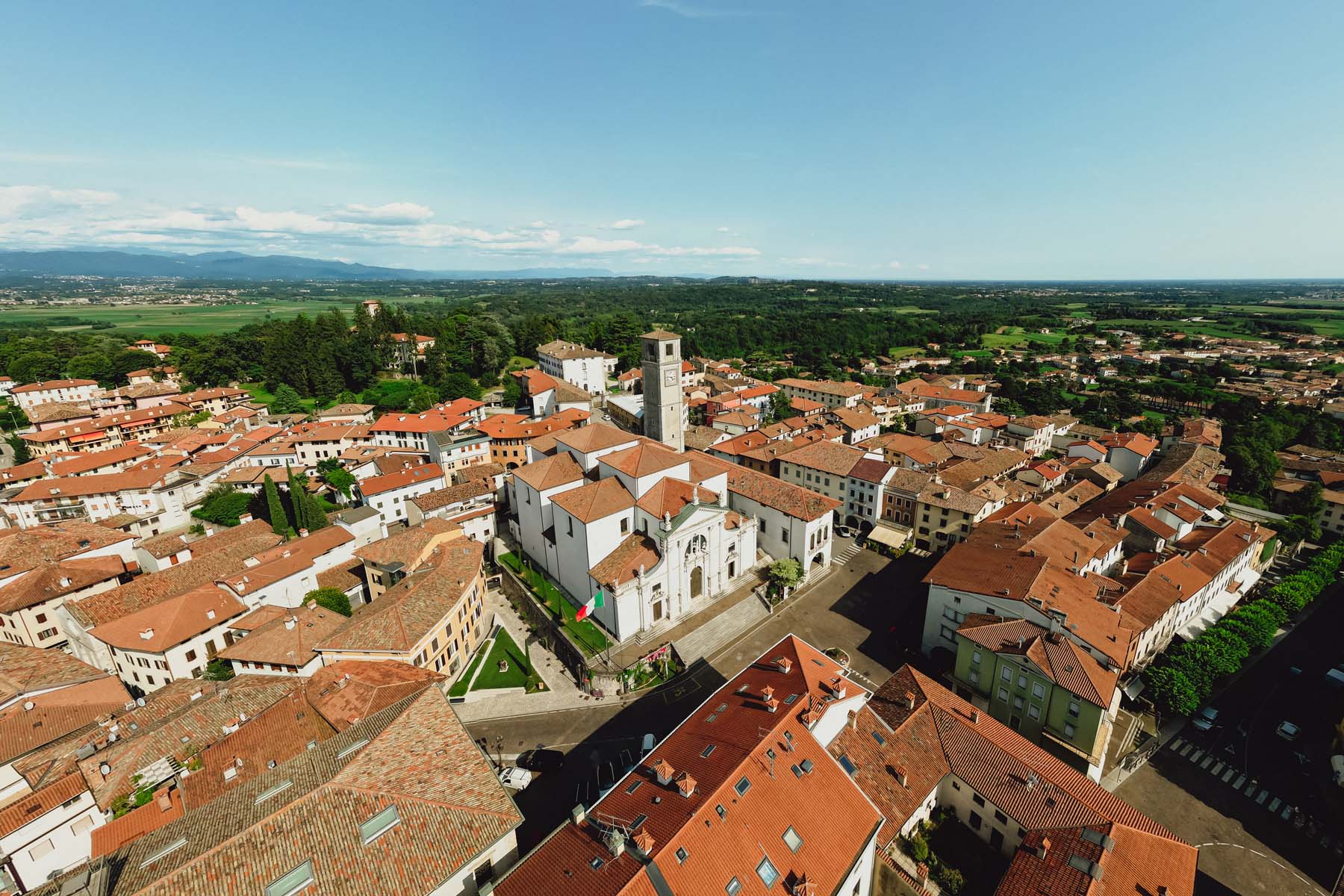
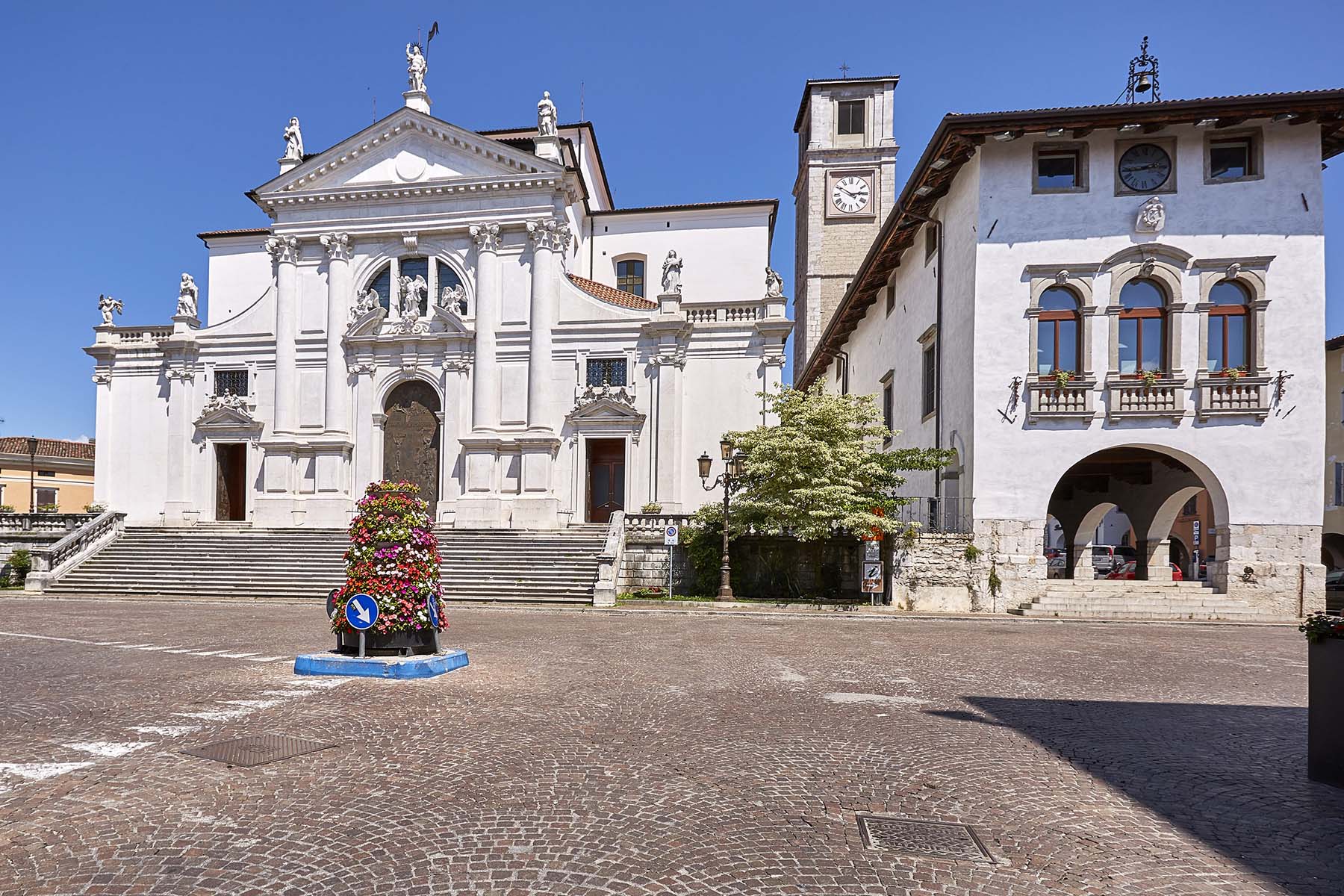
The layout of the square
The square retains a typically medieval layout. Where the access road now runs, once stood the Torre delle Ore, also known as the south gate or “clock” tower. It had a drawbridge that was raised every evening and in case of attacks to protect the town. Next to the tower was a small loggia dating back to the early 16th century. Both were demolished between 1839 and 1840 by municipal resolution due to the passageway being too narrow for the new commercial carriages. The construction of a triumphal arch in honor of the Austro-Hungarian Empire was proposed, but this was never realized due to the upheavals of 1848-1849.
The Cistern
In the square, on the side facing Via Roma, stands an ancient aqueduct supply cistern of historic origins. It was built in 1427, with the aim of providing water to all the refugees, under the direction of the famous Venetian engineer Bartolomeo delle Cisterne, designer of the Clock Tower and the church of San Giacomo in Udine. The surrounding populations, from Sedegliano to Buja, worked on it, because the entire area had the right to take refuge in San Daniele in the event of enemy invasions (such as the Turks in 1418 and Maximilian in 1511).
The cistern shaft—the washhouse—was located at Via Manin, a side street of Piazza Vittorio Emanuele II, surrounded by a raised space above street level, shaded by two rows of evergreen trees and protected by a columned canopy. It was an important and significant work for the historic center. The structure was rebuilt by Giovanni da Udine in the 16th century and, with the arrival of the mechanical aqueduct and the extension of the cistern in the late 19th century, it was decommissioned and replaced with a floral fountain with a flagpole directly in the square. This was in turn replaced after the First World War by the Fascist fountain, now exiled to the castle park.
Between 1862 and 1863, part of the 16th-century well was restored by the engineer Franceschinis and moved to Piazza Cattaneo, where it remains today.