


Specific information
Image gallery
The church’s origins date back to the Middle Ages, when a small chapel dedicated to the Virgin already existed in Villanova. Over the following centuries, as the village grew, the building was expanded and rebuilt several times: its current form dates back to the 17th and 18th centuries, a period in which the spaces and interior decorative elements were redefined.
The official consecration took place on September 4, 1821, as evidenced by an internal plaque. Since then, the church has become the spiritual and social hub of the Villanova community, custodian of traditions and popular celebrations that are still preserved today.
Over the years, numerous restoration projects have been carried out, including those carried out after the 1976 Friuli earthquake, which restored the building to its original elegance.
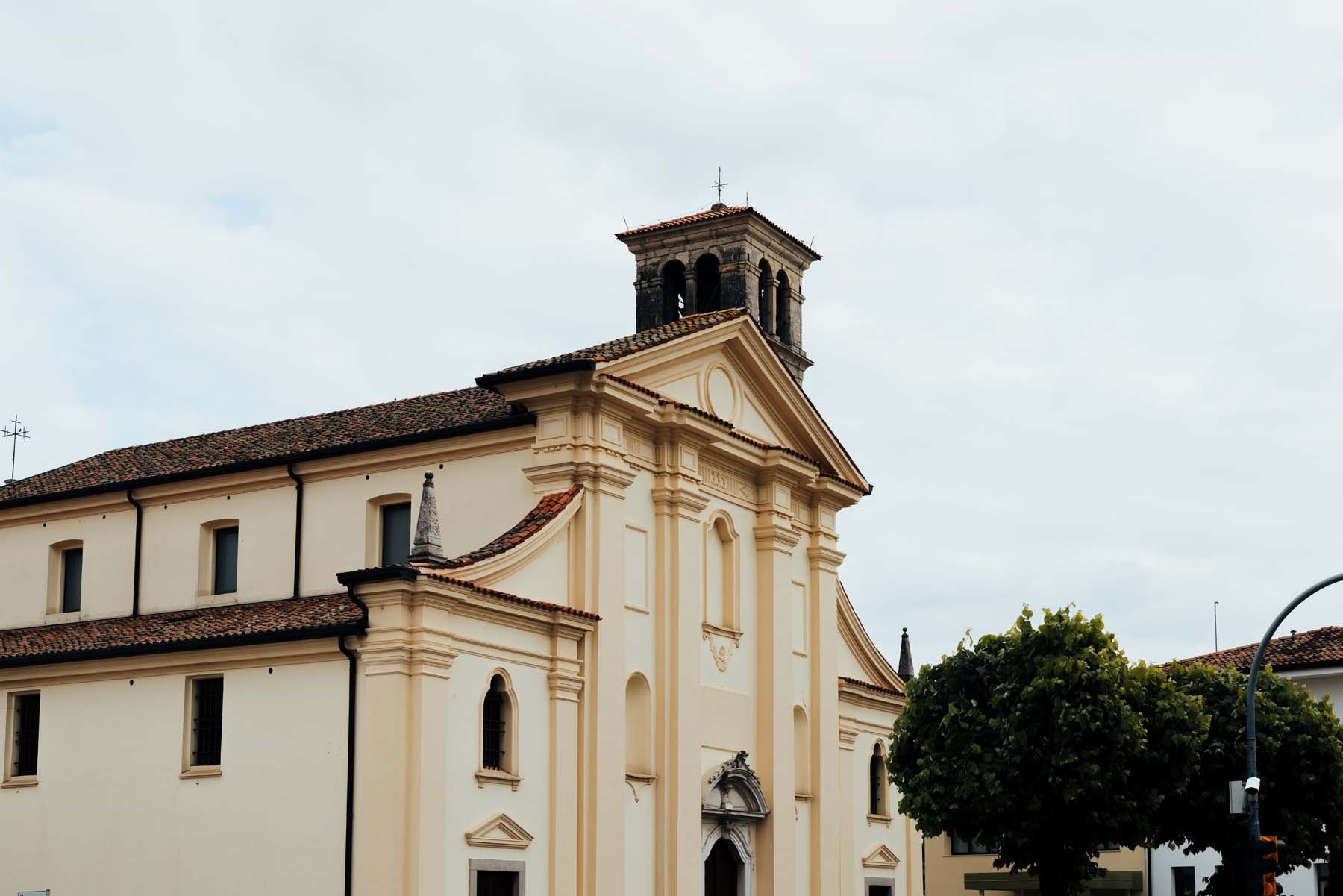
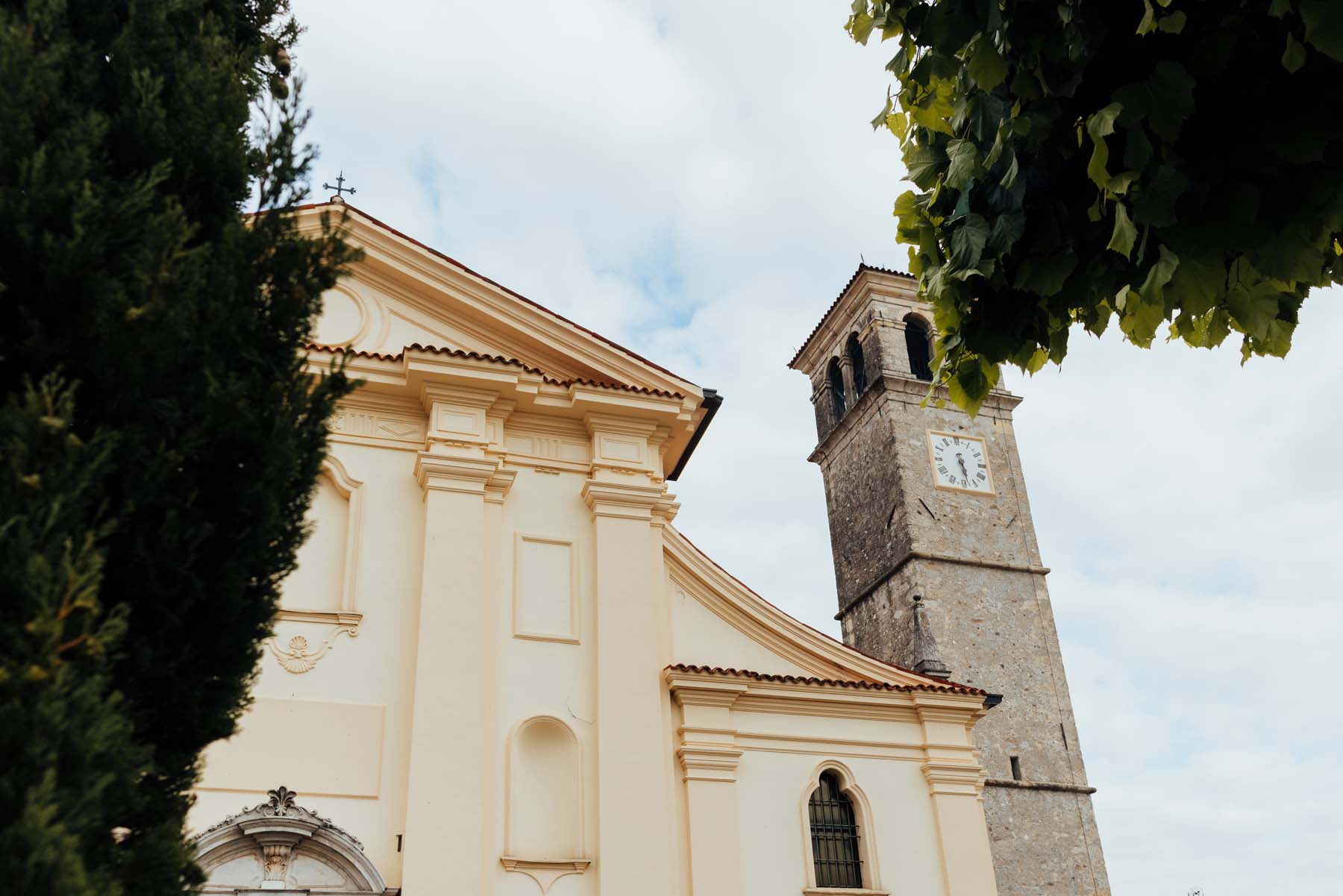
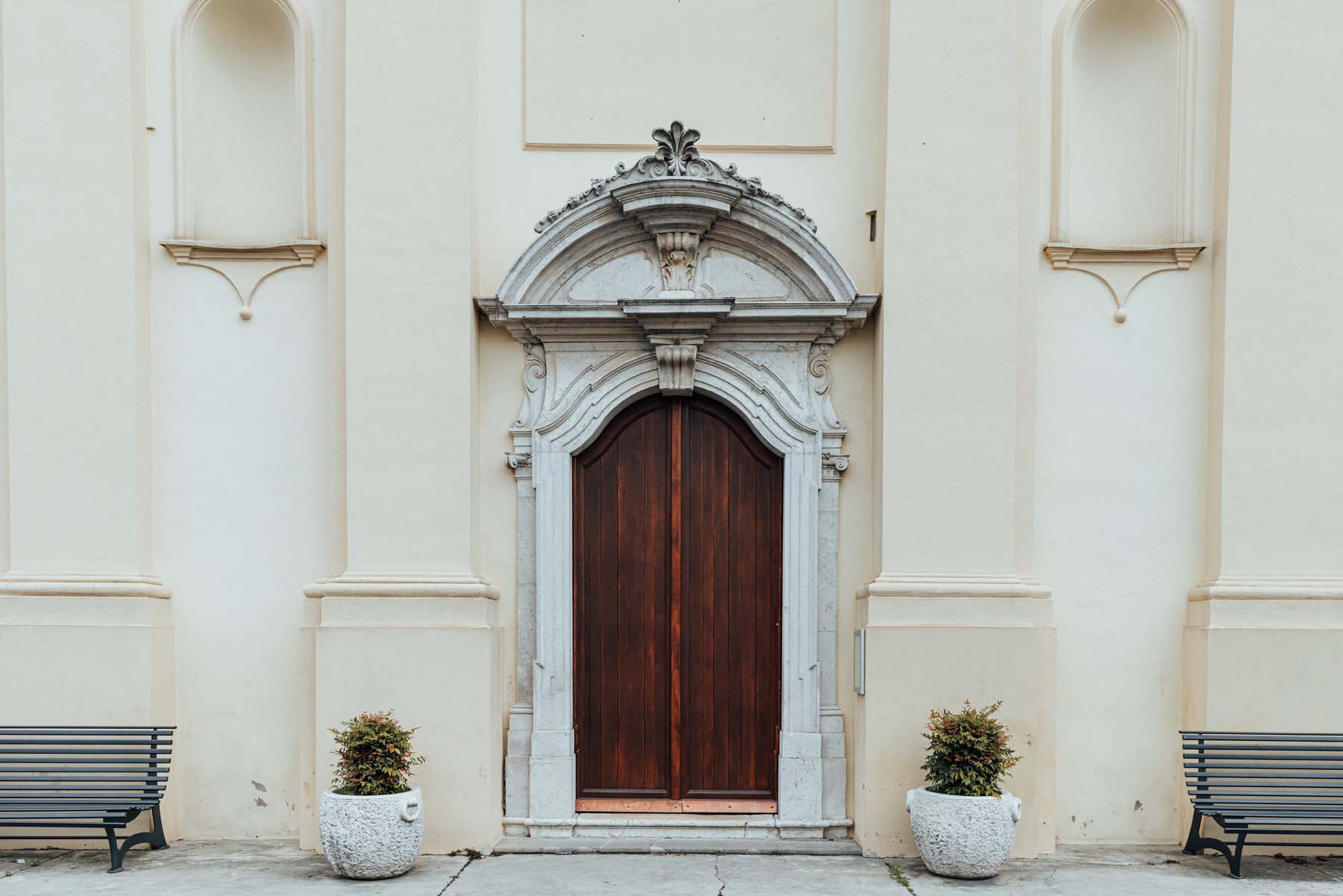
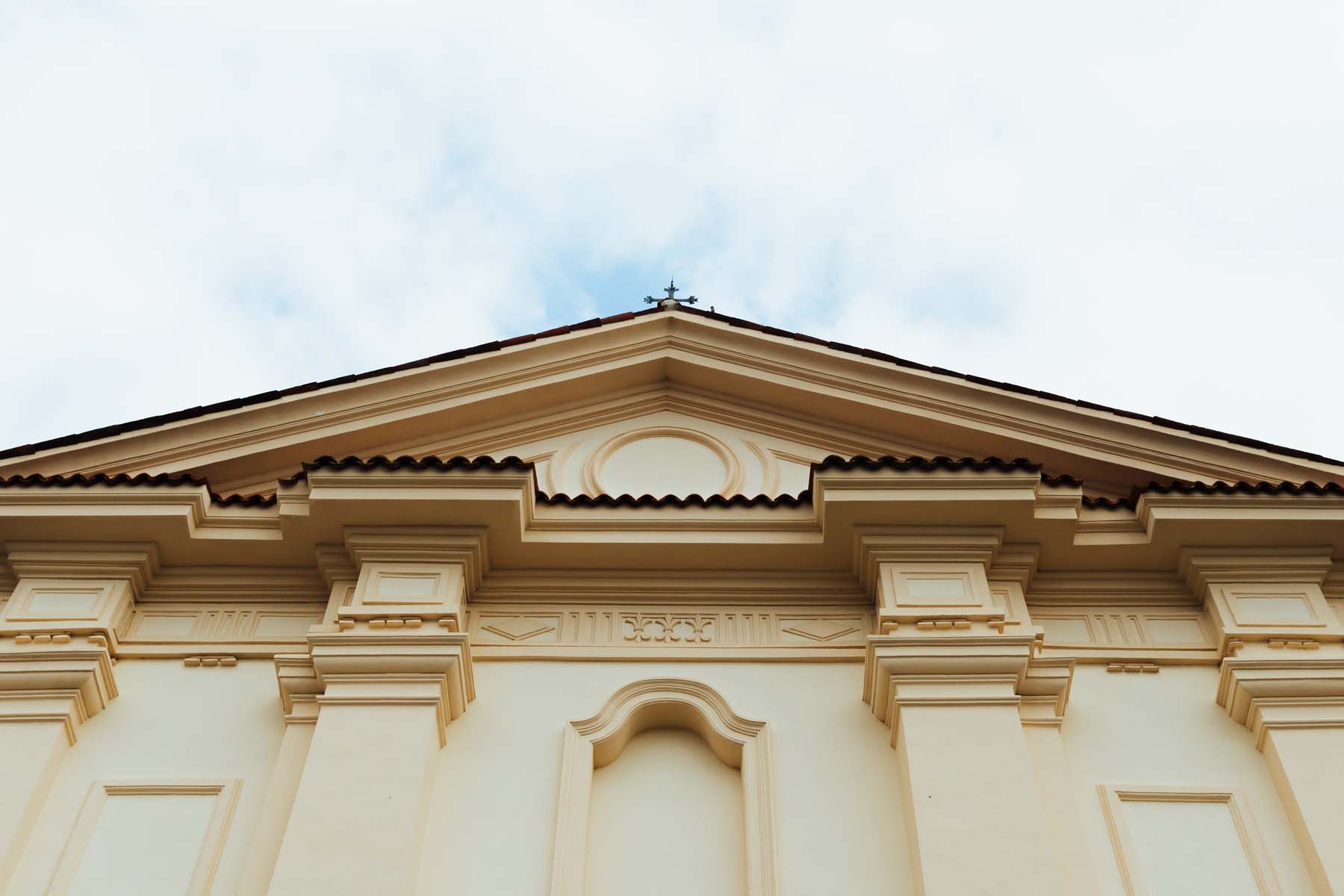
The church’s exterior is harmonious and solemn, with the façade punctuated by Tuscan-style pilasters and topped by a triangular pediment. Next to it stands the square stone bell tower, its mullioned windows and gabled roof subtly dominating the town skyline.
The interior, with three naves, is striking for its luminosity and balanced proportions. The round arches rest on slender pillars that lead the visitor toward the raised presbytery, introduced by an elegant sacred arch and topped by a square apse.
Simplicity and harmony blend in an atmosphere that invites reflection and contemplation.
Today, the Church of Santa Maria Maggiore continues to be the center of religious life in Villanova.